Handling Tarantulas – Some Things to Consider

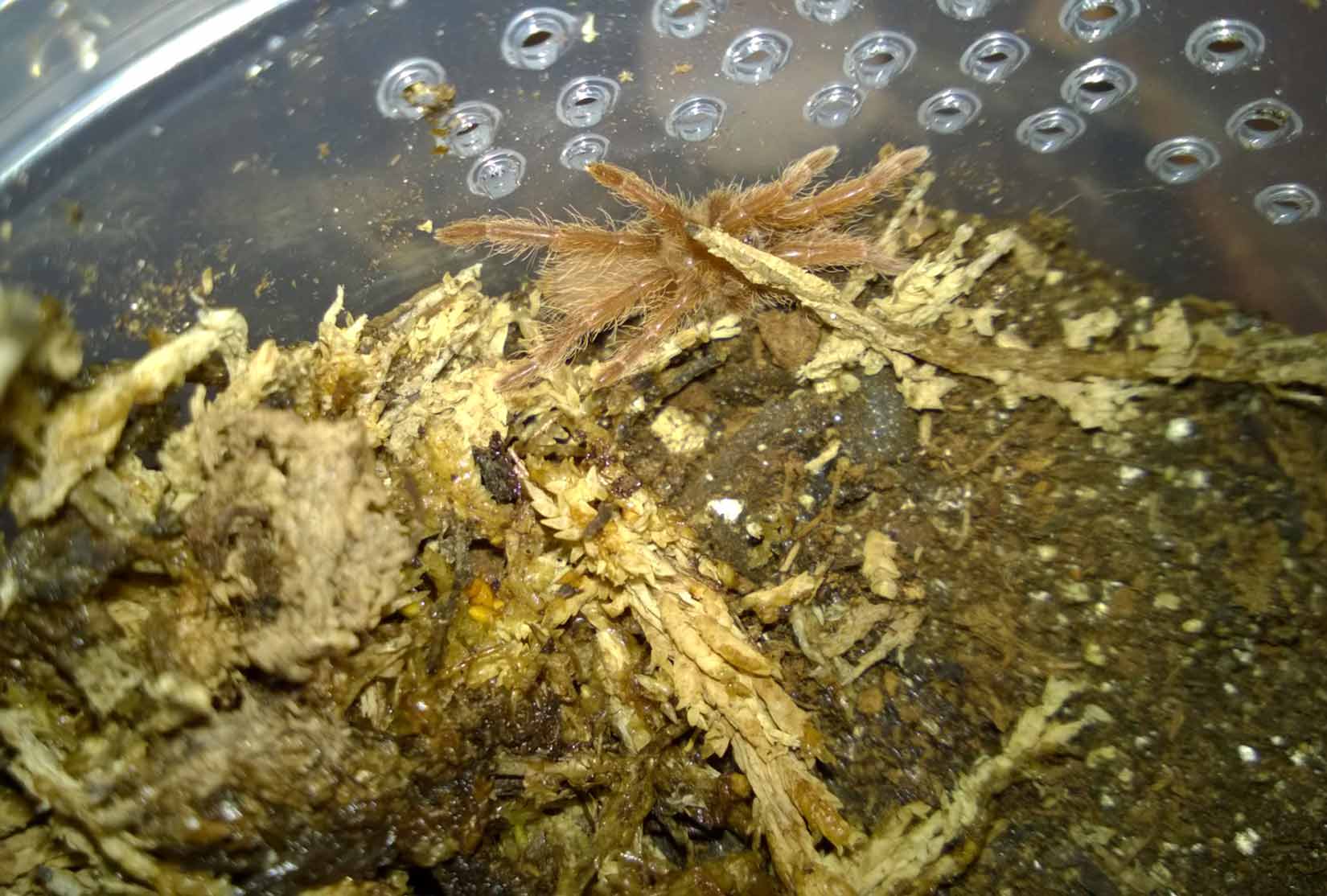
Euathuls sp. red after she crawled out of her enclosure and into my hand. Note: I normally do not handle my Ts

Euathlus sp. red after she crawled out of her enclosure and into my hand. Note: I normally do not handle my Ts

To hold or not to hold … THAT is the question.

For many keepers, one of the highlights of the hobby is getting some hands-on interaction with their animals. Many new keepers feel that holding a tarantula for the first time is a major accomplishment and a benchmark in the hobby. Tell folks that you keep tarantulas as pets, and the first question usually asked is, “do you hold them?” For some folks, they don’t truly feel like they can graduate from the “newbie” stage of T keeping until they can handle one with ease.

Seasoned keepers often enjoy handling their calmer animals (and sometimes, the not so calm ones) as a way to feel more bonded to these amazing creatures and to show others that they are not as scary as they may seem. Some even use handling for utilitarian purposes like rehousings and maintenance, as they feel that it’s easier than prodding and cupping the creatures. For these folks, years of experience has taught them to read subtle behavioral signs and to recognize when a tarantula might be tolerant of handling.

However, bring up the topic of handling on tarantula groups or message boards, and you are likely to wander into a heated, age-old debate between those who endorse handling and those who consider it an unsafe, unnecessary practice. Like politics and religion, handling discussions can often become angry arguments between two sides stubbornly making a gray-area issue into a black and white one.

When I first got into the hobby, it was a major goal of mine to be able to handle a tarantula without fear. In fact, I purchased my first T, a female G. porteri, in part to get me over my arachnophobia. And, after years of studying this creature, my first attempt at handling her almost went horribly awry. After seeing this spider sit in one spot for years and never flick a hair or make an attempt to bite, I decided the time was right to finally hold her. After putting her enclosure on the floor, I opened it up and laid my hand inside. Using a paintbrush, I prepared to use it to prod her into my open hand. To my shock, she latched onto the paintbrush, scraping her fangs against it as she attacked. In retrospect, I believe that her actions were a feeding response, and NOT a malicious or aggressive gesture. However, the point remains that, had the brush been my hand, I would have been bit.

As I learned more over the years and read others’ experiences, I quickly realized there really wasn’t a point in trying to handle my animals. I know my first reaction when I get hurt is to jerk back, so if I were to get bit, I’d likely injure the animal by throwing it through the air. Hairs are also NOT fun, so I wouldn’t want a handful of those either. The benefit for me would be that I could brag that I held a tarantula. The benefit for the tarantula would be, well, nothing. Besides possibly causing stress to the spider (they are not affection seeking animals like dogs or cats), I’d be risking it injuring itself from a fall or making a possible escape.

But again, this is just my opinion on the matter, and other keepers would disagree.

I know some folks handle, and I understand the draw of it. I also realize that for some, it makes them feel closer to their pet. It’s just not for me. I would rather show my affection and love for them by not putting them in unnecessarily dangerous situations. Still, I recognize that many keepers handle often and without incident, so handling is not necessarily wrong, and the issue is not a black and white one.

I’ve also heard many stories of folks who have held tarantulas and the experience has helped them to see these creatures less as scary monsters and more as the beautiful and amazing animals they are. Some are even brought into the hobby after these up-close and personal experiences. You can’t deny that’s a great thing.

I do think that keepers need to be informed and use discretion before making the decision to handle, and that experience is needed before this is attempted. So, if you are a new keeper thinking about handling (or feeling less than worthy of being in this hobby because you have not yet handled) here are some points to consider.

NOTE: This essay is not intended necessarily to dissuade folks from handling, and I am not trying to change the views of any keeper who handles. I am just offering some points to consider before taking this step.

You do NOT need to hold your Ts.

If you’re worried that by not holding your tarantulas you’ll be looked down on as a keeper, think again. Many keepers with years of experience have a hands-off policy with their pets. If you look up the topic of “handling” on the message boards, you will find many keepers who admit to handling at first, but who discontinued the practice as they got more experience in the hobby. Don’t feel like you HAVE to hold your animals to have credibility in the hobby.

When friends ask whether you handle, feel confident in telling them that you treat your pets in much the same way as one would treat a tropical fish…you look, but you don’t touch. You can also explain that the decision not to handle does not mean that you are afraid of tarantulas or that they are dangerous. You might just mention the stress it can cause the animal or the need to avoid potential injury if the T were to bolt or fall.

They do not get “tame”, but only tolerate handling.

Although some will debate this, tarantulas are really not recognized for being “intelligent” creatures. I have seen evidence in my own collection that some can be conditioned to respond a certain way to stimuli (I have a few that will now come out of their burrows to eat when I open the enclosure), but saying that they learn would be arguable. It seems that some tarantulas have better temperaments than others, and some will become more tolerant of handling after repeated interactions.

However, it should be noted that if you hold the animal without incident, all that means is that on that particular day, in that particular moment, the animal was calm enough to tolerate being handled. Instinct tells them that if something big is reaching for them, it’s likely a predator or danger. They will then bite or hair flick to inflict pain and, hopefully, escape. That’s the natural defense response they’ve developed over millions of years. It doesn’t take much, whether it be a breeze or an imperceptible vibration, to kick a calm animal back into instinctual survival mode.

Have you ever accidentally breathed on one? Their reaction is usually immediate and panicked. Keep this in mind if you decide to hold your pet; one minute it may be sitting calmly in your hands, the next it may bolt or bite. Which leads to…

Tarantulas are not domesticated animals and can be very unpredictable.

Can tarantulas become conditioned to “tolerate” handling? I believe that probably can. Do they “like” the handling? I doubt it. Are they still stressed? Some might tolerate it more than others, but it only takes a slight breeze  to set them off, so I would say any perceived “calmness” can be lost in a second. And here’s where we get to predictability.

They are not domesticated animals; they are essentially wild animals (and not ones recognized for higher-order thinking). This makes them VERY unpredictable. The boards are rife with stories of once docile Ts molting into nasty little monsters (and sometimes molting back to docile again). Their temperaments are NOT always predictable, and many will change as they age. That means that the cuddly little G. pulchripes that you handled at 3″ could be a nippy, hair-flicking demon at 4″. Others talk about Ts that tolerate handling one day, but freak out the next. Keep this in mind before sticking you hand in front of your previously “tame” animal.

Old World tarantulas have more potent venom and use their fangs as defense.

Personally, I see no reason whatsoever to ever try to hold an Old World tarantula. Most are quick, defensive, and pack a wallop of a bite. I’ve seen several videos on Youtube of keepers handling species like OBTs and Poecilotheria species (huge arboreals with nasty venom) in either an attempt to disprove temperament myths or, in some cases, to simply show how “brave” (reckless!) they are. It worries me when I see these that someone might watch these videos and think that handling a P. murinus is a common and safe practice. No way.

If you are considering holding an Old World species, take a few moments to read through some of the bite reports on Arachnoboards. Although it’s true that there have been no known cases of a human dying from a tarantula bite, some of the symptoms you may get from a bite are just horrifying. Extreme pain, vomiting, cramping, dizziness, and heart palpitations are just a few of the symptoms. Even worse? Some report symptoms long after the bite. Old World species don’t have hairs as a defense, so if they are startled or threatened, they WILL bite. A mishap with one of these species could end in an emergency room visit.

A bite doesn’t have to be highly venomous to be painful…and getting haired suck is no fun.

Many keepers get hung up on venom potency to the point where they seem to forget that even a bite from a species with weaker venom is going to hurt. A 6″ New World tarantula can still pack a very painful bite, even if the venom isn’t enough to put you in the hospital. Some of the New World species get quite large, and the larger the spider, the larger the fangs. Just the mechanical damage from this alone could be a problem.

And then there is the hair. Many people who haven’t experienced urticating hairs poo-poo them as a weak and negligible defense technique. After all, how bad could some prickly little hairs be? The answer is, VERY bad. Some species have very irritating hair, and people’s reactions to them can prove to be more than just a minor annoyance. The effects can also leave you feeling very uncomfortable for several days, which can be no fun. Catch hair in the eyes or breathe some in, and you will likely be headed to the ER for help.

Also, even though you may not have a bad reaction to a hairing the first time it happens, many keepers complain of increased sensitivity the more times they are exposed. This means that you never get used to the hairs, but instead your body becomes more reactive them. Some keepers report having to get rid of certain species because they find the hairs too irritating to deal with. Just something to consider…

Handling is not necessary for a transfer or maintenance.

Some folks find that it is easier and safer to use their hands to move tarantulas during rehousings. Obviously, if they have the experience and it works for them, who am I to judge. However, I’ve have done dozens of transfers, and I’ve never had a situation where I felt that I needed to handle the animal. In fact, I try to keep my hands and fingers away from them as I work. I am calm and deliberate when transferring, and my goal is always to move the animal with minimal stress and as little risk to me and the T as possible. In my opinion, handling the T could add stress for the animal and put it in harm’s way should it bite or flee up my arm. The key is NOT to rush it and to back off and try again later if the animal starts to show signs of stress or agitation.

One bite is all it can take to end up with you and/or your tarantula injured. You have to ask yourself, if one of your pets decides that it is not in the mood, are you really going to be able to keep from flinching and flicking it into the air? Is it worth the risk? It’s a question that you have to ask yourself…

As with all things tarantulas, the key is being informed and prepared.

Again, many keepers extol  the benefits of handling tarantulas, so if you still decide that handling is for you, you are certainly NOT doing something wrong. However, you do want to keep in mind some of the points above so that you are prepared and are able to keep you and the animal safe. Google “tarantula handling” and read up on techniques and precautions and watch some of the Youtube videos that show proper handling. Be ready to study your pet before hand to make she displays the temperament that would make her a good candidate for handling.

Full disclosure: I HAVE held my Euathlus sp. red a handful of times, but not for fun. That little booger tends to climb right out of her enclosure every time I open it, and I usually use my hand to just gently put her back in. I have not taken her out for the purpose of handling, though.

The Best Tarantula Species for Beginners

So, you want to buy a tarantula.

When I went searching for my first tarantula back in the late ’90s, the only information I could find on them was in exotic pet magazines and outdated books. Although there was plenty of information to be found on common species like G. rosea and B. smithi, many of the species I encountered at shows, some labeled with nonsensical common names, were enigmas. Back then, if you saw something that looked “cool”, you bought it with little concern to whether or not the species might be a bit too much for someone new to the hobby to handle. I’m sure several folks went home with animals that they they were ill-equipped to  care for (or that they became terrified of).

The Best Beginner Tarantulas Revisited — Updated Article and Video!

For more information on this topic, check out the updated article and video version by clicking on the link. This new version not only includes a YouTube video with all of the species listed, but I’ve added a few to the list. There is also a poll for folks to choose their top choice for best beginner tarantula. Check it out! 

B-hamorii-MAY

Today with internet, any information you need is just a mouse click away. With hundreds of websites, blogs, and forums devoted to tarantula keeping, it is much easier for the novice keeper to interact with other enthusiasts and access current information on the hobby. Nowadays, there is no excuse for ignorance, and it is the responsibility of the newbie to do his or her homework BEFORE acquiring a new animal.

Perhaps the first question one new to tarantulas should be asking is, “What is a good beginner tarantula species for me to start with?” There are a staggering number of species currently available in the hobby, and many of them have dispositions or husbandry requirements that render them unsuitable to novice keepers. Conversely, there are several species that make for excellent “gateway” pets into this addictive hobby.

To create the following list, I first drew from my own experience and observations. I then reviewed several forum threads on good beginner Ts from three different message boards and recorded the species that came up the most. Species have been selected on temperament, ease of husbandry and care, and cost and availability. There are certainly other species that would make good pets for the first-timer. If you feel that I missed your favorite, feel free to comment.

Now…onto the list.

1. Brachypelma albopilosum

OLYMPUS DIGITAL CAMERA

Photo by Kelly Swift from Swift’s Invertebrates, and amazing tarantula dealer.

Whenever one asks on the boards what the best beginner T is, the B. albopilosum is mentioned early and often. A gentle terrestrial with a medium growth rate, the “Honduran Curly Hair” is renowned for its calm disposition and ease of care. Reports of hair-kicking or threat postures are almost non-existent, and many report handling this T frequently and without incident. This species is very readily available in the hobby, with slings often given as freebies, so this is not an expensive species to acquire. Plus, their little curly hairs just make them so darned cute (they are always having a bad hair day).

Check out my B. albopilosum in the video below!

I keep my little guy with mostly dry substrate and moisten one corner. It is kept at room temps (70º to 84º) and it has been growing at a slow pace. Slings like to dig, so be sure to give them a few inches of substrate when they are smaller. Adults will normally remain out in the open, but a hide should be provided.

2. Euathlus sp. red

Euathlus sp. red

Euathlus sp. red

This dwarf species is the only one I can confidently refer to as “adorable”. Maxing out at about 3.5-3.75″, the Euathlus sp red is a calm, gentle, inquisitive species and a wonderful beginner T. Although I don’t normally handle my animals, this is a species I find myself making an exception for. Whenever I open their enclosures for maintenance, these curious little guys will calmly climb out of their cages and into my hand. Many times, they will curl up next to my thumb and just sit there. For one looking to ease into the hobby, there is no better ambassador. This is the tarantula I introduce to folks who have a fear of the animal.

So cute.

Husbandry for these little guys is easy. Dry substrate with a water bowl is sufficient; I overflow the bowl a bit, and I’ve observed that they will sometimes stand over the moist patch. They do fine at room temperature (my temps range from 70º to 84º throughout the year). I supply hides, but my girls rarely use them.

See this little gal in action in the video below!

Things to consider: If there is a downside to this species, it can be its propensity to fast during the cooler months. For someone new to the hobby, this could be cause for stress. Also, as slings they are VERY small. Finally, with Chili closing its borders to exporting tarantulas, the wild caught young adults that used to be readily available on the market will be drying up. As not many folks are breeding these in the US, the Euathlus sp. red is becoming very difficult to come by.

3. Eupalaestrus campestratus

E.-camp

Photo by Anastasia Haroldson from Net-Bug, a wonderful vendor.

Long overdue on this list, the E. campestratus (or “Pink zebra beauty”) has long been sought after by hobbyist for its pretty appearance and its consistently gentle temperament. Folks who keep this species gush about about its laid back personality and willingness to be handled. In researching this animal, I couldn’t find a single incident of one biting or kicking hair (although, they are certainly capable of both).

Like the other species on this list, the care for E. campestratus is quite elementary. As this species endures temps in the mid 60s in the wild, it’s a wonderful “room temperature” specimen. It should be provided with a terrestrial enclosure with mostly dry substrate. As this species does come from an area where it rains heavily for part of the year, a water dish should be provided for a bit of extra humidity. That being said, the E. campestratus is a very hardy and would be fine in most conditions.

Things to consider:  This is another slow growing species, so a sling is likely to take quite some time to mature. Also, these haven’t been as readily available in the hobby lately, making it a bit difficult to find one.

4. Grammostola pulchra

Photo from Wikipedia (Unfortunately, my juvenile isn't showing it's colors yet!)

Photo from Wikipedia (Unfortunately, my juvenile isn’t showing it’s colors yet!)

Sometimes referred to as “The Black Lab of Tarantulas”, the G. pulchra is a jet black gentle giant. Reaching sizes of 8″, this heavy-bodied T is recognized for its very calm nature and is usually a species that is reluctant to flick hair and tolerates handling well. A very slow growing species, females can live for decades while even the males can make it to 8 years. This means that if you purchase one as a sling, you will enjoy many years with this animal regardless of the sex.

Like the previous species mentioned, this species does well on dry substrate with a water dish. I like to keep one corner of the enclosure a bit damp. Slings will dig, so provide them with several inches of sub to allow for burrowing. Older specimens should be provided with a hide. I keep this species between 68º and 80º.

Check out my G. pulchra below!

Things to consider: Slings of this species can be a little more on the expensive side, with $40-$50 being common. It is also a very slow grower, so if you buy a sling, it will be quite a few years before this T hits its adult size. Adult specimens are also very expensive, with large females fetching $200 or more.

5. Brachypelma Smithi

4

4″ B. smithi female

One of the most gorgeous and long-lived species (at least in my opinion) is also one of the best starter tarantulas. With its fiery red/yellow/orange leg markings set against the dark brown/black base color, this is one awesome showcase animal. The B. smithi is also known to mature into a calm, even-tempered adult, which makes it a wonderful starter tarantula. With an estimated life-expectancy of 40-plus years for females, you will also have decades with your new pet.

Again, there are no special care requirements with this species. An enclosure with more floor space than height, dry substrate, a water dish, and a hide will suffice. Slings will want to burrow, so provide them with a few inches of sub to tunnel in. I keep mine at temps between 68º and 84º, and there are no humidity requirements.

Check out my girl in the video below!

Things to consider: Younger B. smithi can be skittish, kicking hair or even threatening to bite when disturbed. Most will outgrow this behavior. As this is a long-living species, adult females can be quite pricey.

6. Grammostola pulchripes

Photo copyright Snakecollector.

Photo copyright Snakecollector.

The G. pulchripes or “Chaco Golden Knee” is a beautiful terrestrial species that can reach an impressive size of 8″. Like other Grammostolas, this one is a slow grower, taking many years to reach maturity. However, the G. pulchripes is generally recognized as having a very calm disposition, which makes it a wonderful candidate as a first tarantula. Many point to this species as one of the ones most tolerable of handling. And, for those looking for a display T, this golden-striped beauty loves to sit out in the open, meaning you’ll always see your new pet. Even better, the G. pulchripes is readily available, and slings can be procured for as little as $10.

Check out my G. pulchripes in the video below!

As slings, these guys are little bulldozers, constantly digging an rearranging their substrate. Be sure to give slings plenty of mostly dry substrate in which to play. I keep mine in containers allowing for about 4″ of sub, and I moisten down one corner. Adults should be kept in an enclosure allowing for more floor space than height with a water dish and hide provided. These guys can be kept at room temps (I keep mine between 70º and 84º) and there are no specific humidity requirements.

Things to consider: Although this T has a reputation for tolerating handling, individuals may vary in temperament. This is also a large T, so a bite could be quite painful and could cause mechanical damage. Always exercise caution if handling and make the safety of your animal your first priority.

7. Grammostola rosea/porteri

Notice the coloration on the carapace.

Notice the coloration on the carapace.

For years, the G. rosea (or “Rosie”, as it’s often referred to) was the most recommended beginner species. This readily available, inexpensive tarantula is recognized for its extreme hardiness and a supposedly tractable disposition. Although other species have emerged over the years that have proven to be better first Ts, the G. rosea shouldn’t be overlooked. For someone looking to get their first T, this slow-growing, long-living species can be a great choice. With the porteri reaching a max size of about 6″, it is a fairly good sized display T as well. G. rosea/porteri slings can usually be purchased for under $10, and adult females can be acquired for around $30, making this species VERY affordable.

The G. rosea/porteri are very simple to care for. Supply them with dry substrate, a hide, and a water dish. I do NOT moisten overflow the dish as this species abhors wet sub. This species will tolerate temps in the mid-60s, so for folks with cooler home temps, this species could be ideal.

Check out my G. porteri female below!

Things to consider: Despite its rep for being a “handling friendly” spider, this species can be quite unpredictable in temperament. Many keepers admit to having “Psycho Rosies” that can be quite defensive and bitey. The G. porteri is also known to fast for long periods of time, which can be quite disconcerting for new keepers. Finally, this species is the quintessential “Pet Rock”, spending the majority of its time sitting in one spot.

8. Euathlus parvulus

E.-parvulus

The E. parvulus or “Chilean gold burst” is a wonderful beginner species that is often overlooked by new hobbyists. This medium-sized tarantula (females get about 4-4.5″ or so) has a slow growth rate, meaning it’ll be with you for a long time. This is a docile species that can be a bit skittish, but is generally calm overall. Mine has never flicked a hair or given me a threat posture, and it usually just sits calmly when I perform maintenance. The E. parvulus also a bit more active than some of the “pet rock” species, although it will spend much of its time just sitting out in the open.

Care is simple: a standard terrestrial set-up with dry substrate, a cork bark hide, and a water dish is all they will need to thrive. Mine does well in temperatures 70-76 in the winter and 74-80 in the summer time, but adults would be perfectly comfortable in temps down to the mid-60s. For folks with cooler home temps in the winter, this would be a tarantula you could keep without needing supplementary heat. This species likes it dry, so their is no need to moisten the substrate or spray the enclosure. Dry substrate with a water dish is all it will need.

My Euathlus is a good eater and has only refused food before a molt. Currently, she gets one large (or two if they are a bit smaller) crickets once a week or so. As a slow-growing species, this one doesn’t need a ton of food to be happy and healthy.

Check out my E. parvulus in the video below!

I’ve heard this species referred to as “just another big brown spider”, and that couldn’t be further from the truth. From its dark metallic green carapace to the red patch on its abdomen, this is a beautiful little tarantula. Although it may appear brown at first glance, sunlight (or a flashlight) reveals a myriad of striking colors. Plus, it’s got some adorable raised patches of hairs on it’s abdomen that are quite unique.

Things to consider: With Chili banning the export of its tarantulas, this species might become more difficult to come by in the future. Many of the specimens being sold were wild caught sub-adults and adults, so larger specimens will most likely become scarce.

*Note: The following species are still beginner level due to cost and ease of husbandry, but their behaviors can make them a just a little trickier than the those of the tarantulas named earlier. Also, I would not endorse attempting to hold any of these next two.

9. Chromatapelma cyaneopubescens

GBB-two

Many first time keepers are immediately enticed by some of the more colorful species available on the market. Unfortunately, if they do their research, they will soon discover that the P. metallica, M. balfouri, and H. lividum are advanced Ts that would normally prove overwhelming for the new keeper. Enter C. cyaneopubescens, or the GBB. This stunning species sports amazing colors, and its easy husbandry makes it a wonderful entry-level tarantula. GBBs are voracious eaters, only refusing food when they are in premolt, and they have a reasonably fast growth rate, which is great for the impatient keeper. They are also prolific webbers, making for a beautiful display animal.

See my girl in action in the husbandry video below!

This is a species that likes it dry. For slings, I keep one corner a little damp and use and eye dropper to put a little drinking water on the webbing. If supplied with a little extra height and something to anchor to, this species will produce copious amounts of webbing. I keep this species between 70º to 84º; it has no specific humidity requirements. They eat like machines, often snatching prey before it hits the ground, so keep them well fed.

Things to consider: I have seen this species described as an “intermediate” level tarantula due to its speed and skittishness. That said, this was one of the first tarantulas I acquired, and I had no problems with it. As long as the keeper is respectful of its speed, there should be little issue. This might be one you get as a sling so that you can get used to the animal and its personality as it grows.

10. Lasiodora parahybana

4

4″ L. parahybana female. This specimen doesn’t sport its darker adult coloration yet.

Bigger is always better…that can often be the mantra of someone new to the hobby. Many keepers become fascinated with large tarantulas after learning some of these beasts get to 9″ + in size. Unfortunately, some of the larger genera like Pamphobeteus and Theraphosa have husbandry requirements and temperaments that can make them too advanced for many keepers. However, for those new to the hobby who are looking for something BIG, the L. parahybana is the perfect choice. This large terrestrial has been said to reach sizes of 10″, although 8″ is probably more common. Although slings and juveniles can be a bit skittish, flicking hair when disturbed, most adults are calmer and make great display Ts.

Check out two of my LPs in the husbandry video below!

Husbandry is simple: provide this species with more floor space than height, and keep the substrate on the dry side. I do moisten approximately 1/3 of the sub and allow it to dry out in between. A water bowl with fresh water should be provided at all times, as should a hide (although my larger specimen never uses hers). They are tolerant of lower temps, but this is a species that will grow like a weed if kept a little warmer. Mine are kept between 70º to 84º. Although there are no stringent humidity requirements, mine seem to appreciate a moist area. Smaller slings like to burrow, so give them an enclosure that allows for a few inches of substrate.

Things to consider: This is a large species, and should be treated with care. A bite from this animal could do serious mechanical damage. Also, as this spider can get very large, space may be an issue as it reaches adulthood. Be prepared to procure larger housing.

Did I miss one?

There are obviously many other species out there that can make for good beginner pets. Do you think I missed an obvious one? Let me know in the comments section, and perhaps I’ll add it to the list.

Great Basin Serpentarium – A Review

A fantastic spider shopping experience!

I recently discovered Great Basin Serpentarium while perusing the For Sale/Trade/Want to Buy section on Arachnoboards. I had been on the lookout for some T. stirmi slings, and GBS was offering 1.5 spiderlings for $90 each. Checking out the rest of the list of Ts for sale, I was excited to discover the they were also offering many other species I had been looking for. The prices were quite good, and I was floored to learn that they offered $20 FedEx next day shipping with any order of totaling $100 or more. 

I shot the owner, J Mugleston, an email query about a possible purchase, and he got back to me within the hour. In fact, his communication throughout the entire experience was exemplary with all of my emails being answered promptly and politely. Last Friday, I put my order in for seven slings: 2 T. stirmi, 2 P. muticus, 2 M. cabocla, and 1 B. auratum.

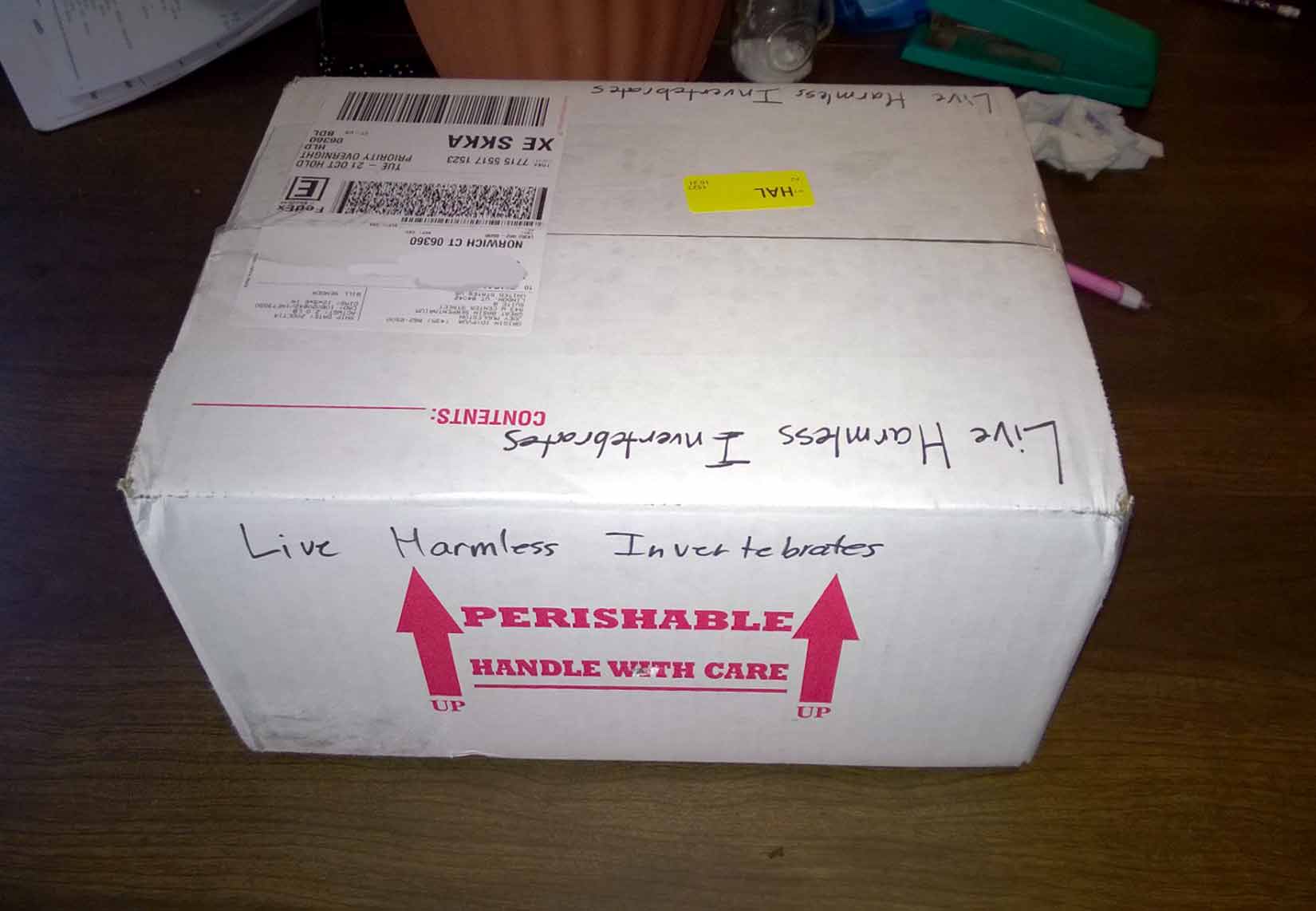
Mr. Mugleston worked with me to ship my items to the local FedEx on a day of my choice, and I picked up my package yesterday. The box was labeled “Harmless Invertebrates”, which I though was a nice touch (the clerk at the counter actually handled my package as if it were dynamite!).

My package for GBS. LOVE the labeling!

My package for GBS. LOVE the labeling!

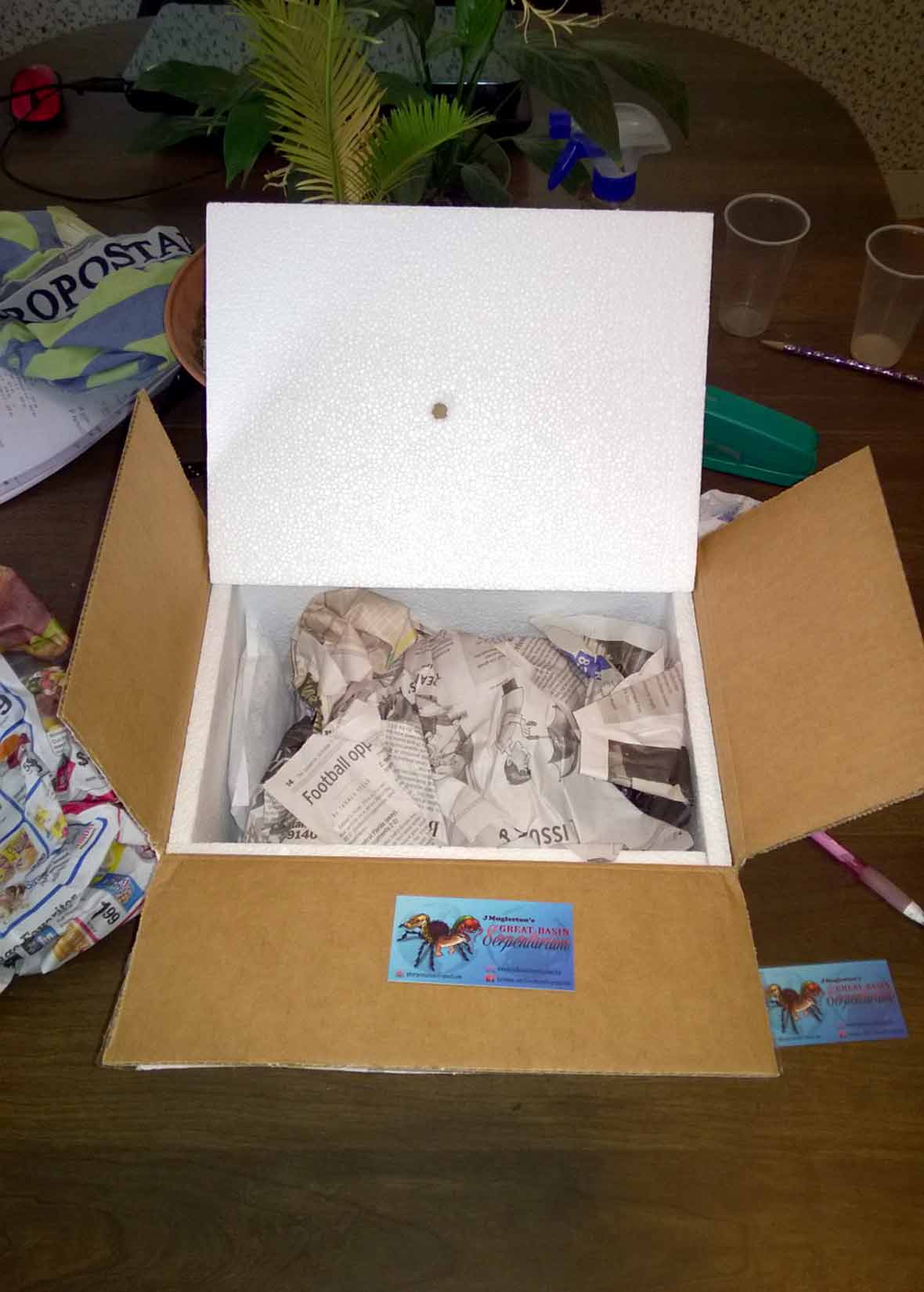
My new acquisitions were very well packed in a box lined with foam insulation and crumpled newspaper as padding. A heat pack was included, which was great due to the unseasonably cold temps we’ve had in my state. Each spider was packed in a plastic dram vial in moistened paper towel, and the bottle lids were taped with electrical tape. These little guys were well-protected during shipping.

My package from Great Basin Serpentarium. My Ts were warm and very well packed.

My package from Great Basin Serpentarium. My Ts were warm and very well packed.

I should mention that the way the tarantulas were packed in the vials made it VERY easy to get them out for rehousing. The paper towels were packed in tightly enough to protect the T, but loose enough that towel could be carefully pulled out of the vial and unrolled to safely free the animal. This made rehousing these little guys a breeze.

The vials holding my new slings from GBS. All were well packed and labeled.

The vials holding my new slings from GBS. All were well packed and labeled.

The slings themselves were in fantastic shape, and it was obvious that they were healthy and well cared for. All were lively during rehousing, and all but one has already eaten (one of my P. muticus slings was a bit too busy burrowing to grab a snack).

Great prices, communication, and shipping costs!

I could not be more pleased with my experience with Great Basin Serpentarium. The prices, especially with the $20 next day shipping, were fantastic, Mr. Mugleston’s communication was outstanding, my order was perfectly packed, and the animals arrived healthy and lively. I would definitely recommend GBS to other tarantula enthusiasts, and I will definitely be shopping there again in the future.

And…a couple pics of my new acquisitions!

My new .75" P. muticus sling.

My new .75″ P. muticus sling.


My new 1/5" T. stirmi sling.

My new 1/5″ T. stirmi sling.


Avicularia Versicolor (Antilles or Martinique Pink Toe)

A.-versicolor

 One pretty little arboreal…

Despite being very common and established in the hobby, there is perhaps no tarantula available right now, save maybe the T. blondi, that causes owners more stress over the husbandry than the A. versicolor. When I first got into the hobby, I was immediately amazed by this gorgeous arboreal, which starts as a stunningly-blue sling and morphs into a fuzzy, multi-colored adult.

However, my research into its husbandry proved to be frustratingly confusing and contradictory. On one side were the keepers that said this species was difficult to keep due to strict humidity requirements. On the other side were folks who argued that humidity was not as important as good cross ventilation, and that a stuffy, humid cage would prove to be a death sentence for this animal.

Then, there was also the constant mention of SADS, or “Sudden Avic Death Syndrome”, the name of the phenomena where a seemingly healthy Avicularia (often a versicolor) suddenly dies for no apparent reason. The message boards were rife with stories of these little blue spiders curling and dying suddenly and without an obvious cause.

Although these reports made me a bit gun-shy to try this species, I eventually caved and picked up a .75″ sling from Jamie’s Tarantulas. It’s been almost two years since I acquired my Versi, and I’ve found her to be a very rewarding tarantula to keep.

Avicularia versicolor

Avicularia versicolor

It’s all about the ventilation

When I first received my little blue versicolor, I was convinced that this fragile little girl would inevitably perish in my care. As Jamie had listed this species as her favorites (and had experience with them), I chose to house this specimen in one of Jamie’s Arboreal spiderling enclosures. These clear rectangular cages sported a round 1″ vent in the front and offered good ventilation (although, no cross ventilation). I used about an inch of moist coco fiber substrate in the bottom and a tall piece of cork bark to encourage webbing. My little versicolor was quick to create a web funnel between the cork and the side of the enclosure, and she spent most of her time in this hide.

Now, about that humidity… Although the substrate started off moist, it soon dried out. As time went on, I would moisten one corner of the enclosure by dribbling water on the web and the coco fiber about twice a week (I did not mist). Occasionally, I would see this specimen drink from water on the web. Although I was still very concerned that the humidity wouldn’t be high enough, the little girl seemed to be thriving in these conditions. She ate very well and was molting every two months like clockwork. Even during the winter months when my furnace was bringing humidity down to the teens, she still ate and molted regularly.

In my experience, high humidity is NOT necessary for older specimens. In fact, many now believe that stuffy, overly-moist enclosures are a death sentence for this species. Instead, good ventilation seems to be key. Once my avic reached about 1.5″ or so, I added a water dish and stopped moistening the substrate. Now that this specimen is about 3.75″, she is kept on dry substrate with the only humidity provided by her water dish.

For temperatures, my A. versicolor was kept between 70 and 76 degrees during the winter and between  72 and 84 during the summer. I did not notice a large difference in growth rate between these two periods. In these temperatures, this species grows at a medium pace, going from .75″ to about 2.5″ in 11 months time. She is now about 3.75-4″ or so, and it was about five months between the latest molts.

A modified Ziploc container that I use to house my A. vesicolor juvenile. Holes have been melted into both sides to provide cross ventilation. A piece of cork park has also been provided for a hide.

A modified Ziploc container that I use to house my A. vesicolor juvenile. Holes have been melted into both sides to provide cross ventilation. A piece of cork park has also been provided for a hide.

A gorgeous spider with a healthy appetite.

From day one, this tarantula has been an awesome eater. As a sling, I would usually use tweezers to load a tiny red racer roach into the bottom of its funnel web to make it easier to find prey (a couple times, I dropped a prey item in on the substrate only to find it alive a few days later). After several months, this cute little girl would come right to the edge of the funnel web whenever I opened her enclosure and take the item right from my tongs. Learned behavior? It sure seemed like it…

A.-versi-NEW-1

As she put on some size, I needed only to drop the item in, and she would eventually locate it. This T has proven to be a veracious eater, taking down larger prey items with ease. Like many of my Ts, this one only refuses a meal when in promolt. She currently feeds on smaller large crickets, and it’s always fun to watch this cute little beauty stalk and take them down.

A stunning tarantula and a must for any collection.

Although she was quite skittish as a sling, my little versicolor is definitely calming down with age. Instead of bolting into her web when I open her enclosure, she now waits patiently as I drop a prey item in or perform maintenance. It has also been very rewarding watching the color changes on this specimen as she has molted, and I eagerly await her adult colors. The A. versicolor is a lovely little gem of a species that, with the right care (ventilation!) will thrive and delight for many years.


These pics were literally snapped about 12 hours apart. Obviously, there was a molt in between.

These pics were literally snapped about 12 hours apart. Obviously, there was a molt in between.

H. villosella Death – Tarantula Impaction?

Not the way I wanted to begin my Friday evening.

For the past several weeks, I have been keeping an eye on my Heterothele villosella (Tanzanian Chestnut Baboon) sling, as its behavior after a recent molt had become abnormal. I had received this wonderful little tarantula as a freebie several months back, and it immediately impressed me with its vicious appetite and beautiful webbing. Like many of my Ts, this one would only refuse food while in premolt.

My H. villosella, alive and well, after a recent molt. Despite only eating twice, its abdomen was still remarkably plump.

My H. villosella, alive and well, after a recent molt. Despite only eating twice, its abdomen was still remarkably plump.

Well, after this specimen refused a meal about two months ago, I assumed it was in premolt. Sure enough, it emerged after a week of hiding a little bit larger and sporting fresh colors. As this particular sling was usually ravenous after a molt, I offered it a small cricket, which it took no problem. Another cricket was offered a few days later with similar results. She was back to eating well.

I dropped the third cricket in about two weeks after she emerged from her last molt, and I was surprised to find the cricket alive and kicking the next morning.

Hmmm…

I waited a few more days before offering another cricket. This, too, was rejected. Now, I’ve had many tarantulas change their eating habits after a recent molt, so I wasn’t particularly concerned yet. I made sure to wet down part of the substrate in the enclosure to keep the humidity up, and waited another week to try again. Again, no dice. Despite being a great eater in the past, this T had inexplicably stopped eating, and during the warm months of summer when even my most picky specimens were ravenous.

More odd behavior.

About three weeks ago, my H. villosella started spending a lot of time out in the open. For the first six months I had this spider, I rarely saw it out of its heavily-webbed den, and when I did, it was usually in the early morning after I turned the lights on.  The slightest bump would send it scurrying back inside its burrow.

However, this T was now out all the time and wouldn’t flee even when I picked up its enclosure. In many ways, I found this new behavior more alarming than its lack of appetite. I was pleased, however, to see that despite having only eaten twice, its abdomen was actually fairly plump.

I also noticed this T dragging its abdomen on the ground and on the side of the enclosure. I first thought that it was just webbing, but there didn’t seem to be any webbing coming out of it. The H. villosella was also using its back legs to rub its rear, something that didn’t seem particularly worrisome by itself, but proved concerning when added to the other odd behaviors.

With little I could do, I kept sprinkled water on the side of the enclosure daily to give it something to drink and kept it under close observation. It continued to hang out in the open, and this once speedy little spider was much more sluggish and calm.

Unfortunately, it wasn’t able to recover.

When I arrived home from work yesterday, I was saddened to find the little guy in a partial death curl. As a precaution (it is sometimes difficult to determine if they are truly dead), I put it into an ICU to see if it might be “revived”. While moving the T, I noticed something I hadn’t seen before. The area around its anus was caked with bit of white stool. Also, there was a white “plug” partially protruding from it.

My H. villosella sling in an ICU. Unfortunately, it did not make it.

My H. villosella sling in an ICU. Unfortunately, it did not make it.

Suddenly, it seemed more clear as to what probably happened to this unfortunate T. I had read about other keepers losing tarantulas to fecal impactions, but I had never experienced it myself. An impaction occurs when the Ts anus becomes blocked, prohibiting it from evacuating its waste.

In some of these instances, the T will essentially eat itself to death as the waste compounds inside it until it dies. In some instances, the animal stops eating after a molt, yet it’s abdomen remains large and bloated. In this instance, it’s suspected that a complication with the molt causes the issue. Other symptoms reported are sluggishness and unusual grooming of its backside, especially around the anus.

When a tarantula is showing signs of a fecal impaction, there is little a keeper can do. Some recommend using a paper towel or cotton swab moistened with warm water to try to wipe away and loosen up any feces that may be blocking the anus. In my case, I don’t know if this would have worked due to the very small size of the specimen.

I checked on the T this morning to see if its condition had improved over night, but it was in the same position it had been in the night before. Unfortunately, it had passed. Can I be positive that it was a fecal impaction that killed it. No. However, I have made no changes in husbandry in the last six months, and it had been healthy and seemingly thriving until its last molt, so I’m convinced it wasn’t something I did. It also displayed many of the common symptoms of an impaction, which lend more credence to the theory.

A dead H. villosella sling. Notice the white around the anus, and the yellowish spot that formed beneath the corpse (likely feces loosened by the moist towel.

A dead H. villosella sling. Notice the white around the anus, and the yellowish spot that formed beneath the corpse (likely feces loosened by the moist towel).

For those who may fear that they have a tarantula suffering from this malady, I will list the symptoms my T exhibit in hopes that it helps in identification.

Symptoms that indicated fecal compaction:

  • Diminished appetite (food refusal)
  • Plump, hard abdomen (even after not eating much)
  • Dragging abdomen and rubbing it on substrate without laying web
  • Excessive grooming of anus area with back legs
  • Sluggishness and decreased activity
  • White “plug” protruding from anus
  • White stool around anus


NE Herp – A Review

NE Herp

Although my T. stirmi enclosure has been holding at proper humidity with no pest or mold issues, I’ve been planning on adding isopods or springtails to help clean up any waste and to keep the tank mold free. While searching the net for dealers who carry these amazing insects, I stumbled upon NE Herp. Although I visited the site with the sole intention of procuring maintenance insects, I discovered that they carried so much more.

An amazing one-stop shop for all of your vivarium needs.

I first thought that NE Herp only carried invertebrates like D. Hydei fruit fly cultures, Springtails, and Dwarf Isopods, and it was quite by accident that I navigated to a page that presented the store’s ridiculously diverse selection of vivarium products. Water dishes, cork bark, bamboo, moss, hides, lights, enclosures, substrates…I could go on for pages. Keepers of frogs, lizards, snakes, tarantulas, or other invertebrates would be wise to check out the site.

I was elated to discover that they carry bamboo and cork bark at ridiculously low prices. Since entering the hobby, I’ve always been floored by the high cost of cork bark, and I’m constantly on the lookout for someone who sells this material for a reasonable price. NE Herp not only offers larger pieces for great prices, but they also sell a gallon-sized grab bag filled with medium to small pieces. At $7.99 (on sale for $5.99), this is an absolute STEAL.

Great packing and fast shipping!

My order was packed and shipped very quickly via Fed Ex, and it arrived on my doorstep a day later (NE Herp is just across the state from me, so the shipping time was extra fast). My order was very well packed, and NE Herp even included a cold pack to keep my springtails from baking in the hot temps. All of my items were heavily padded with packing paper and arrived in pristine condition.

The bag of cork bark proved an amazing value. I was elated to find that I contained curved and flat pieces ranging from 3 to 7″. As I like to include corkbark hides in most of my enclosures, the accumulated cost of buying this material can become costly. However, for about $6, I now have enough for at least a dozen cages.

My box from NE Herp.

My box from NE Herp.

The well-packed contents of my package.

The well-packed contents of my package.

My new cork bark, bamboo, plastic plants, and springtails from NE Herp.

My new cork bark, bamboo, plastic plants, and springtails from NE Herp.

I highly recommend NE Herp to any hobbyist.

I have already spent several hours on this site window shopping and putting together my wishlist for my next order. The amount of products they carry is staggering, and I’m still finding new things to add to my list. I will definitely be placing a second order soon. NE Herp carries an amazing selection of vivarium supplies, and their quick and reasonable shipping make ordering from them a very satisfying experience. I highly recommend them to any tarantula, snake, reptile, or frog keepers who are looking for reasonably-priced supplies for their enclosures.


Hapalopus sp. Colombia – The “Pumpkin Patch”

A gorgeous little dwarf tarantula with plenty of attitude!

I was first introduced to this amazing little species by a Viper69, a member of the Arachnoboards forum. I was on the lookout for new and beautiful tarantulas to add to my growing collection, and Viper69 was kind enough to send me pics of his own Hapalopus sp. Colombia large (tarantula enthusiasts love to spread their addiction!). I was immediately floored by the appearance of this unique T. As orange is one of my favorite colors, I was enamored by the bright orange abdominal markings that lend this animal its common name of “Pumpkin Patch”. The fact that they were known to be hearty captives with huge appetites and fast growth rates made this “pygmy” species jump up to the top of my wish list.

Young adult female Hapalopus sp. Columbia large

Young adult female Hapalopus sp. Colombia large

Well, several months ago, I finally procured a trio these feisty little spiders from Autumn’s Eight-Legged Experience. I was amazed to discover that, even in the sling stage, these little guys already sported their adult coloration. I’ve been used to slings that look MUCH different from their adult counterparts, so this was definitely a unique trait and a wonderful surprise.

One of my three Hapalopus sp. Columbia large slings.

One of my three Hapalopus sp. Columbia large slings.

Keep that “Pumpkin Patch” moist.

As my slings started at about 3/8″ long, I housed these guys in 30 dram bottles with tiny ventilation holes poked into the top with a small needle. This is a species that requires a bit of extra moisture, so for substrate, I used a mixture of moist (not wet) coco fiber mixed with peat moss. For added moisture retention—and to supply a place to hide—I also added a pinch of sphagnum moss. Using the handle of a paintbrush, I also created little starter burrows down the side of each enclosure.

These little guys were quick to settle in, adopting the pre-dug burrows while webbing up the entrances. Within days, all three had dug extensive underground burrows, and two had begun webbing on the surface. Unlike some of my “pet hole” species, as slings these guys usually bolted out of their dens and into the open whenever their enclosures were disturbed. They are quite bold for little spiders.

Check out my husbandry video for this species below!

As young adults, all three are currently kept in ½ gallon enclosures made from repurposed Sterilite plastic storage bins. Although they were given several inches of moist substrate and cork bark burrows, they used their webbing and some sphagnum moss to create their own homes. All have water bowls, and I moisten down the substrate once a month or so by simulating rain with a make-shift watering bottle.

Hapalopus sp. Columbia Large young adult enclosure. This one is about 1/2 gallon.

Hapalopus sp. Columbia Large young adult enclosure. This one is about 1/2 gallon.

All three have webbed up their enclosures heavily. They are not particularly shy, and they have no problem sitting right out in the open waiting for prey. This is particularly nice, because this is a truly unique and beautiful tarantula. Haplalopus sp. Colombia is a very fast and skittish species, though, and they will bolt to their dens when disturbed. Care should be shown every time their enclosure is opened for feeding or maintenance.

Voracious eaters with amazing appetites.

When I first acquired my slings, they were still too tiny to take down small crickets, I cut two crickets in half and dropped in the smaller pieces for them to scavenge feed on. All three greedily accepted their pre-killed meals. To date, they have proven to be voracious eaters, only refusing meals when in pre-molt. Once they reached about 1/2″ in size, they were able to easily take down a small cricket on their own.

Kept between 70-76 degrees during the winter and 75-80 degrees during the summer, and fed two times a week, they grew quite quickly. During the first six months,  they molted about every month and a half.  In 11 months, they’ve grown from 3/8″ to about 2.25″.

I currently feed each of my sub-adults one medium cricket twice a week. When in premolt, they will stop eating and generally become more reclusive, hiding out in their dens and staying out of sight.

Males mature quickly, with mine hooking out at about 11 months at about 2.25″. Females will live longer, reaching a max size of about 3.5-4″. There is a smaller “dwarf” version of this species that reaches a max size of about 2″, but the Colombia Large is not quite small enough to be a true dwarf.

A stunning species for the keeper used to fasts ‘n feisty Ts.

Hapalopus sp. Colombia may be a small species, but what they lack in size, they make up for in attitude and personality. H. sp. larges are generally recognized as being fast and defensive, with many keepers also branding them as escape artists that will make a mad dash for any opening. Mine have actually proven to be quite well behaved, choosing to retreat to their burrows rather than try to escape.

Although this species is a bit high-strung, none of mine have shown any aggression. I do think that a beginner with some experience could keep this species if she/he is cognizant about their speed and care. They are very hardy, and their great appetites and quick growth rate make them an ideal species to raise from sling to adult.

M. balfouri Feeding Video

Look who stepped out for a bite!

Of all the species I currently keep, my little M. balfouri juveniles have been some of the more quirky and reclusive. After all three buried themselves for several months during the cold of winter, they emerged in the spring with better appetites and slightly less coy dispositions. I now see all three regularly, and I’ve even been afforded the opportunity to see two of them eat. That’s a pretty big deal considering that, from November to March, I didn’t even SEE them at all.

Well, after its recent molt, one of my M. balfouri juveniles has become extra bold, often coming out of his den to hunt, and remaining in the open even when I jostle his cage while feeding him. My first attempt to catch him feeding on film proved to be an epic failure as I ended up catching only the cover of his cage. However, I fared much better with the second attempt, and managed to catch him gently grabbing a cricket I tossed in (sorry, no brutal take-downs in this one). Although it starts off a bit blurry, I do adjust the framing several seconds in.

For anyone who wants to read more about this species, click here!

Now, onto the video…

It came! My Therophosa stirmi (Burgundy Goliath Birdeater)

Just one word…WOW.

After years of admiring this amazing species, and months experimenting and building up to the care requirements that would be necessary to keep this beast, my latest acquisition arrived. The Therophosa strimi I ordered from Stamps Tarantulas (sparkling review coming tomorrow!) arrived today, and I’m floored.

I was just telling my wife that since I got really into the hobby, I’ve lost some of that “awe factor” that I used to have when seeing a tarantula. Well, upon rehousing this amazing specimen, I definitely felt that sense of amazement again. Although I expected a 4-5″ T, this guy is definitely pushing 7″ and he is very stocky and heavy.

My new T. stirmi still in its shipping container. He was a bit reluctant to leave.

My new T. stirmi still in its shipping container. He was a bit reluctant to leave.

Getting him out of his shipping container was an adventure. This is one big T capable of a nasty bite or a very painful hairing. As I pulled out the layers of moist, rolled paper towel used to keep him hydrated and safe during shipping, I had to be careful that he didn’t kick any hairs or burst from the container. When he suddenly turned and exploded from the opening, I made sure my hands were out of the way. The force of his “kicks” as he scrambled out was amazing, and I was immediately impressed by his power.

My T. stirmi in the shipping cup after I removed much of the moist paper towel. Shortly after this photo was taken, he burst out.

My T. stirmi in the shipping cup after I removed much of the moist paper towel. Shortly after this photo was taken, he burst out.

He is now safely rehoused and exploring his new surroundings (for those interested in the story behind the enclosure, click here). Once he settles in, it will be time for his first feeding. I will post more in-depth about his care and husbandry soon.

My T. stirmi exploring its new enclosure. He's about 7".

My T. stirmi exploring its new enclosure. He’s about 7″.


Tarantula Molting in Time Lapse!

Watch my female L. parahybana get a new suit…in fast motion.

As I stated in an earlier post, I’ve had tarantulas molting constantly lately. The warmer weather has definitely sped up those metabolisms, and even my slower-growing species have joined in on the molting fun. It’s been amazing to discover a different T molting about every other day.

When I noticed that my female L. parahybana had turned over on her back for a molt, I decided to try to catch in on video. Having just purchased a new GoPro Hero Black video camera capable of time lapse photography, I scrambled to come up with some type of set up that would allow me to safely record the event without endangering my T. 15 minutes and quite a bit of profanity later, I had it all set up and ready to go.

The molt took approximately 4 hours from her flipping over to the molted exoskeleton being completely free. I set the interval at 60 seconds, which worked, but I will probably use 30 seconds on the next go round. This is the first time I’ve seen one of my tarantulas molt in entirety, and I’m floored.

My 11-year old, who was disappointed he was going to miss the molt due to being away for the week, is going to flip when he sees this…