Tarantula Enclosures from Lorex Plastics … A Review

Gorgeous enclosures that wont break the bank

With several of my tarantulas reaching adult sizes, I found it was time to do some enclosure shopping. As I stated in an earlier blog, I use a variety of enclosures, including DIY and premium, professionally-made varieties. Premium enclosures can be costly, and when you have 50 or so Ts, you could end up spending more on the homes than you do on the animals. That said, I do have tarantulas that I consider worthy “showcase animals” that I like to show off to visitors. For these specimens, I don’t mind splurging for classier enclosures.

I had discovered Reptile-Enclosure.com last year while looking for large acrylic enclosures for my Ts. When I was first pricing cages on the site, I discovered the majority of the sizes were no longer in stock, and I wrongly assumed the company was no longer in business. In actuality, Reptile Enclosure.com is owned and run by Lorex Plastics Co, a plastics company that makes reptile and tarantula cages during the slow seasons. For those interested in these enclosures, this is something to keep in mind.

As luck would have it, I stumbled on Lorex’s eBay listing for two of their enclosures, and decided to check out the site again. I was ecstatic to discover that almost all of the sizes and types were in stock, and they were definitely still in business.

Lorex offers several types of enclosures, including arboreal and terrestrial varieties, as well as front-loading and hinged topped designs. For tarantulas, I specifically looked at the 3 mm Series, which includes convenient 2 gallon, 5 gallon, 7 gallon, and 12 gallon sizes.

I ordered three of the 5 gallon enclosures, which measure 17″ x 9″ h x 8″w and retail for $47.50 before shipping. Also, Lorex offers a 15% discount if you buy three or more cages of the same size, so I was afforded those savings as well. I phoned to ask a couple questions about my order, and spoke to Ed. Communication was excellent, and Ed was very friendly and helpful via phone and email.

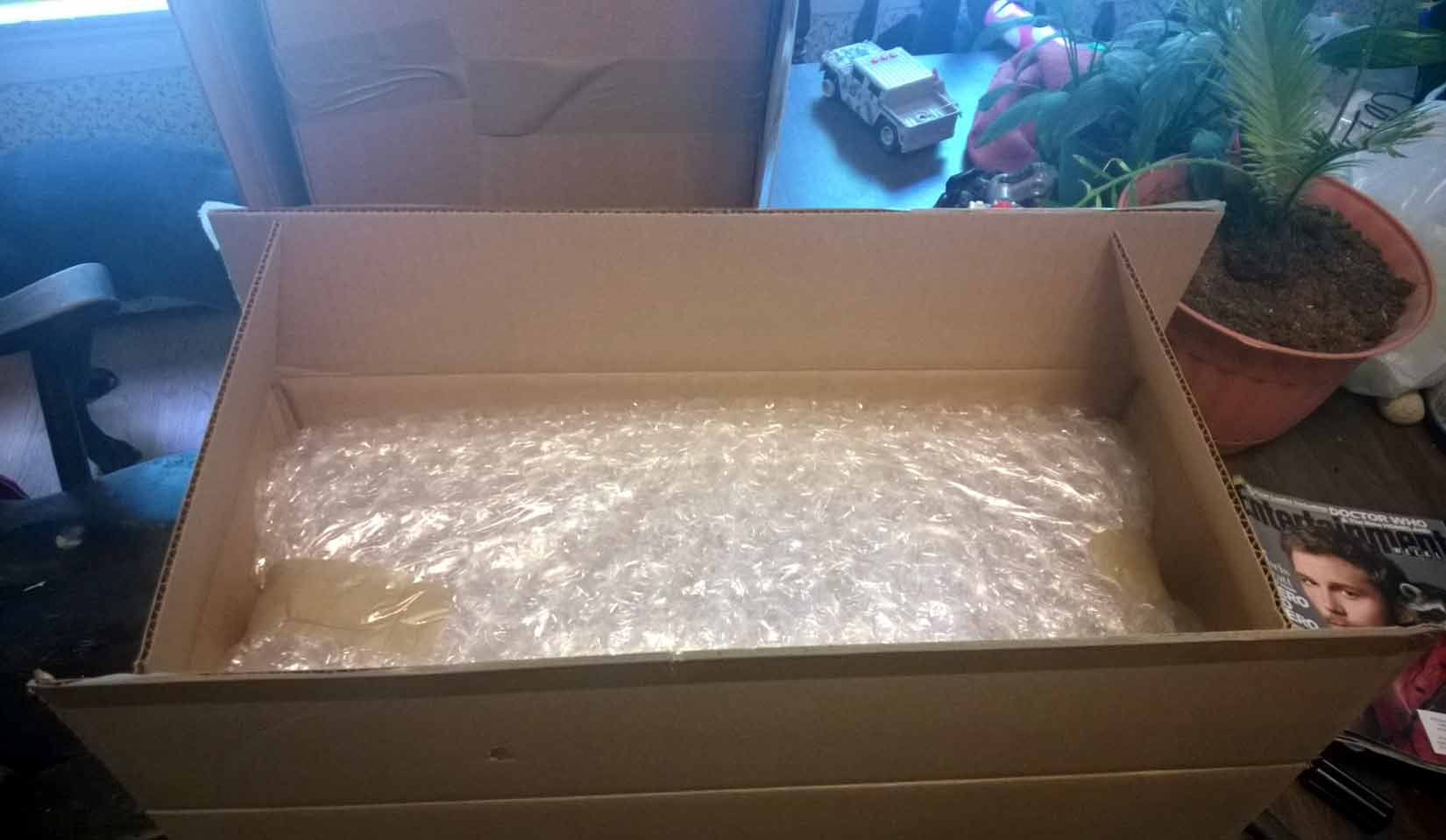
My order was shipped promptly, and as Lorex is located just on the other side of my state, they arrived via UPS in a day. I always worry when I order acrylic cages, as I know how unforgiving the shipping process can be. However, my new enclosures were packed so well, nothing was going to harm them in transit. Each of the three cages was wrapped in five or six layers of bubble wrap, then individually boxed. These three boxes were then packed into another larger box for added protection. Wow.

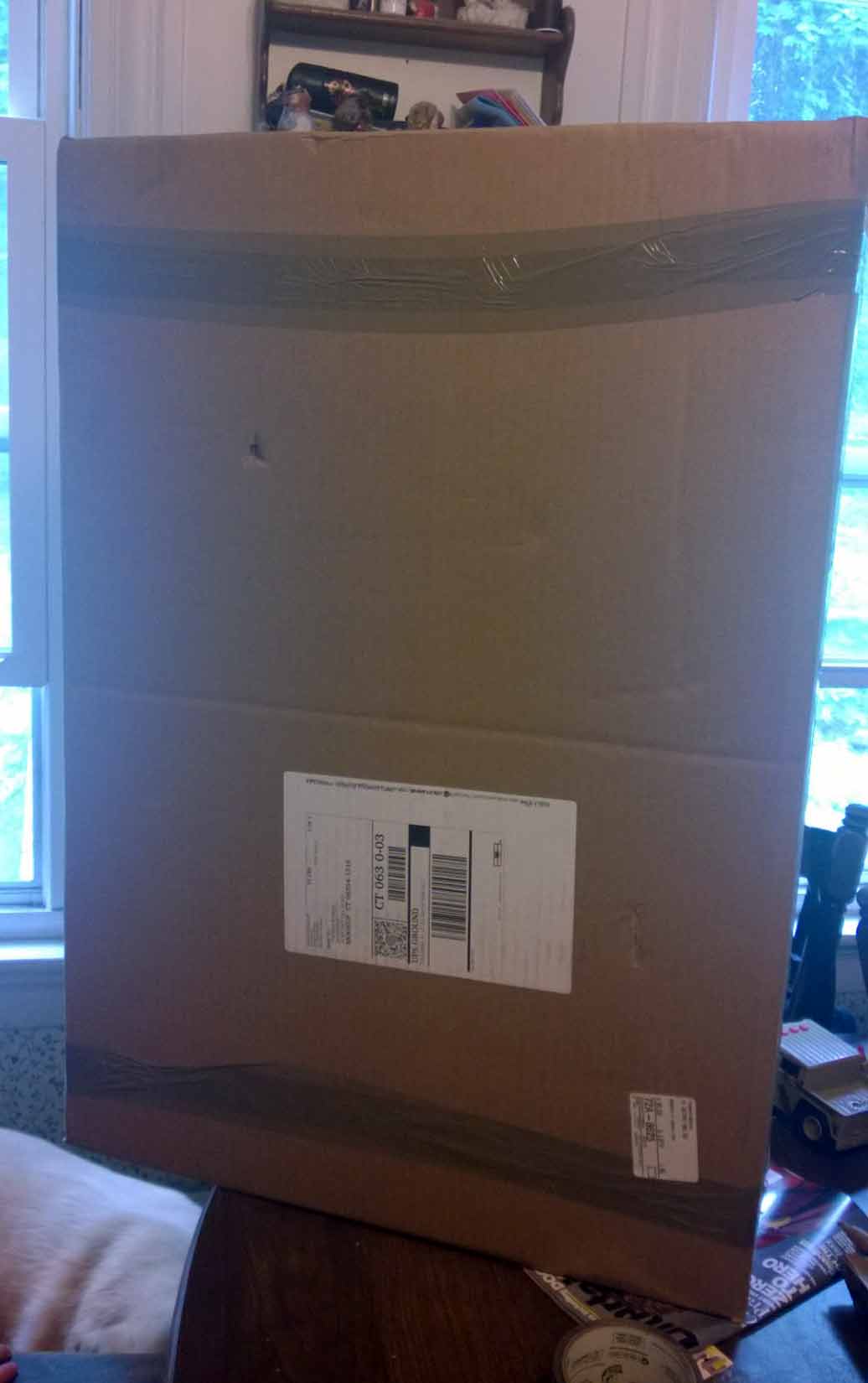
One BIG box filled with three of Lorex's 5 gallon enclosures

One BIG box filled with three of Lorex’s 5 gallon enclosures

Each enclosure came wrapped in bubble wrap and in its own box.

Each enclosure came wrapped in bubble wrap and in its own box.

I was very pleased to discover that each enclosure was wrapped in 5-6 layers of bubble wrap.

I was very pleased to discover that each enclosure was wrapped in 5-6 layers of bubble wrap.

The cages themselves are well-constructed and just gorgeous. Each top-hinged door has a lip that overhangs the front and locks with a hasp. As these can be used for reptiles as well, they’ve been designed to have a 1/2″ of clearance beneath the bottom to allow for an under the tank heat mat (note: do not use heat mats for Ts). I love the look of the aluminum vents, although I’ll have to keep an eye on them as some terrestrial Ts have been known to chew through wire.

My only nit-picky issue is that the vents are not glued or otherwise permanently affixed to the cage, but this is a very small issue. I do love the position of the vents, as they allow for a deeper level of substrate than some of my other cages afford. The enclosures also feel very solid and sturdy, which is great.

5 gallon Lorex Acrylic Enclosure. Notice the lip and locking hasp.

5 gallon Lorex Acrylic Enclosure. Notice the lip and locking hasp.

I definitely recommend Lorex acrylic enclosures for anyone looking for a premium cage to display one or more of their prized tarantulas. They come in a number of convenient sizes, they are wonderfully constructed, and even with shipping, the prices are lower than other comparable acrylic enclosures sold elsewhere. Customer service was top notch, and Ed at Lorex was a pleasure to deal with. I’m already eyeing a couple of the 12-gallon versions for when my L. parahybana and P. antinous get a bit larger.

To check out these wonderful enclosures, click here!

My enclosure decorated and now the new home of my L. itabunae.

My enclosure decorated and now the new home of my L. itabunae.


P. antinous Pre and Post Molt Pics!

Wow…just WOW.

When I purchased my P. antinous a few months ago, it was partly because I had read that they were voracious eaters who made huge size gains between molts. As I have enjoyed watching my female ravage any prey items dropped into her cage, I already knew that she was a lively eater. But what would the next molt bring? Would she really make a huge size jump?

The answer is a big HECK YES.

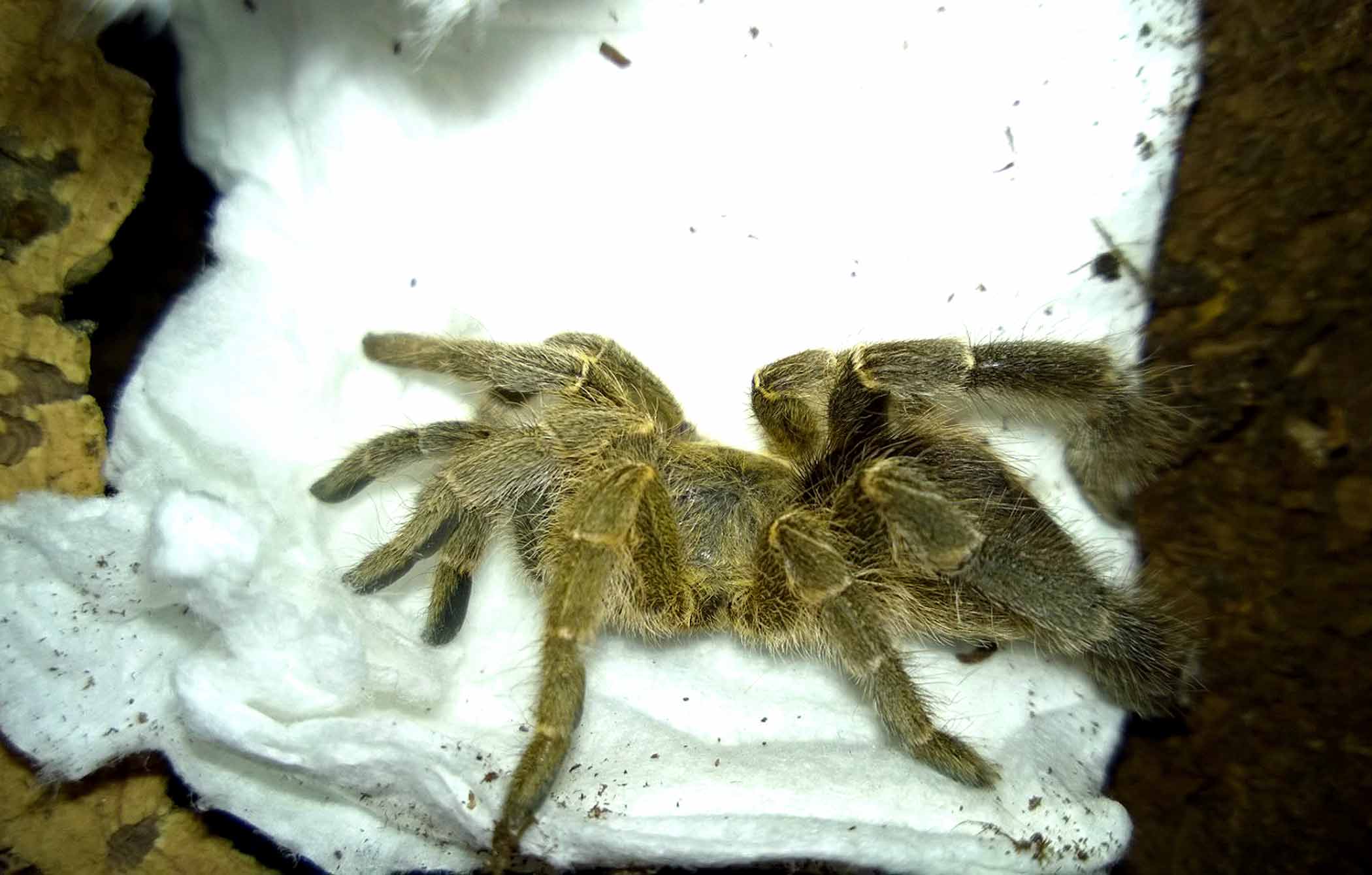
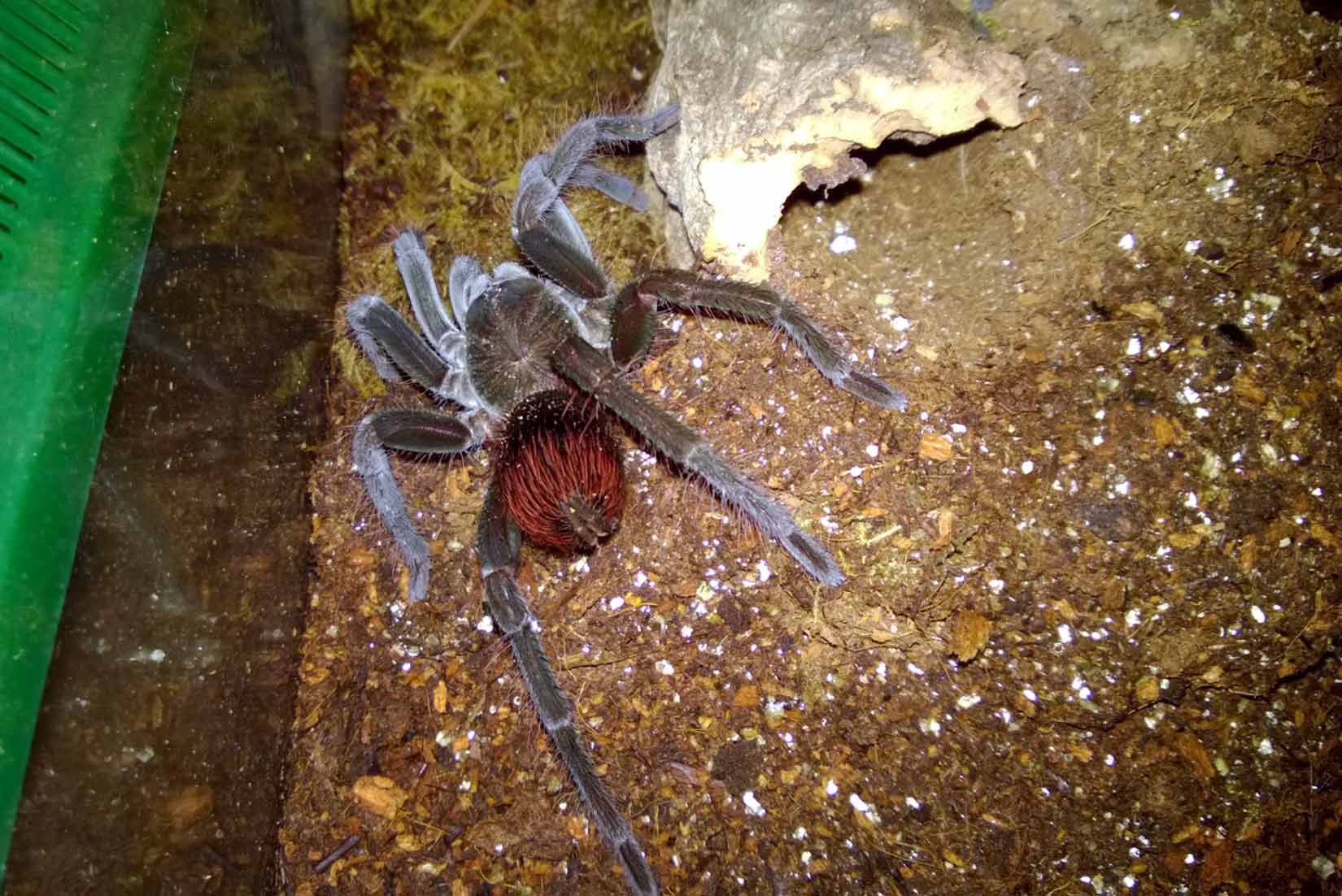
After a few week long pre-molt period, and another week in her den as her new exoskeleton hardened up, my P. antinous female finally reemerged this morning. To say the change in appearance and size is profound would be an understatement. Gone are the rusty red/brown tones she sported before entering promolt. She now sports the dark gray/blue colors that lend her the common name of Steely Blue.  Her abdomen is also covered with some very striking red hairs which prove a wonderful contrast to the rest of her body.

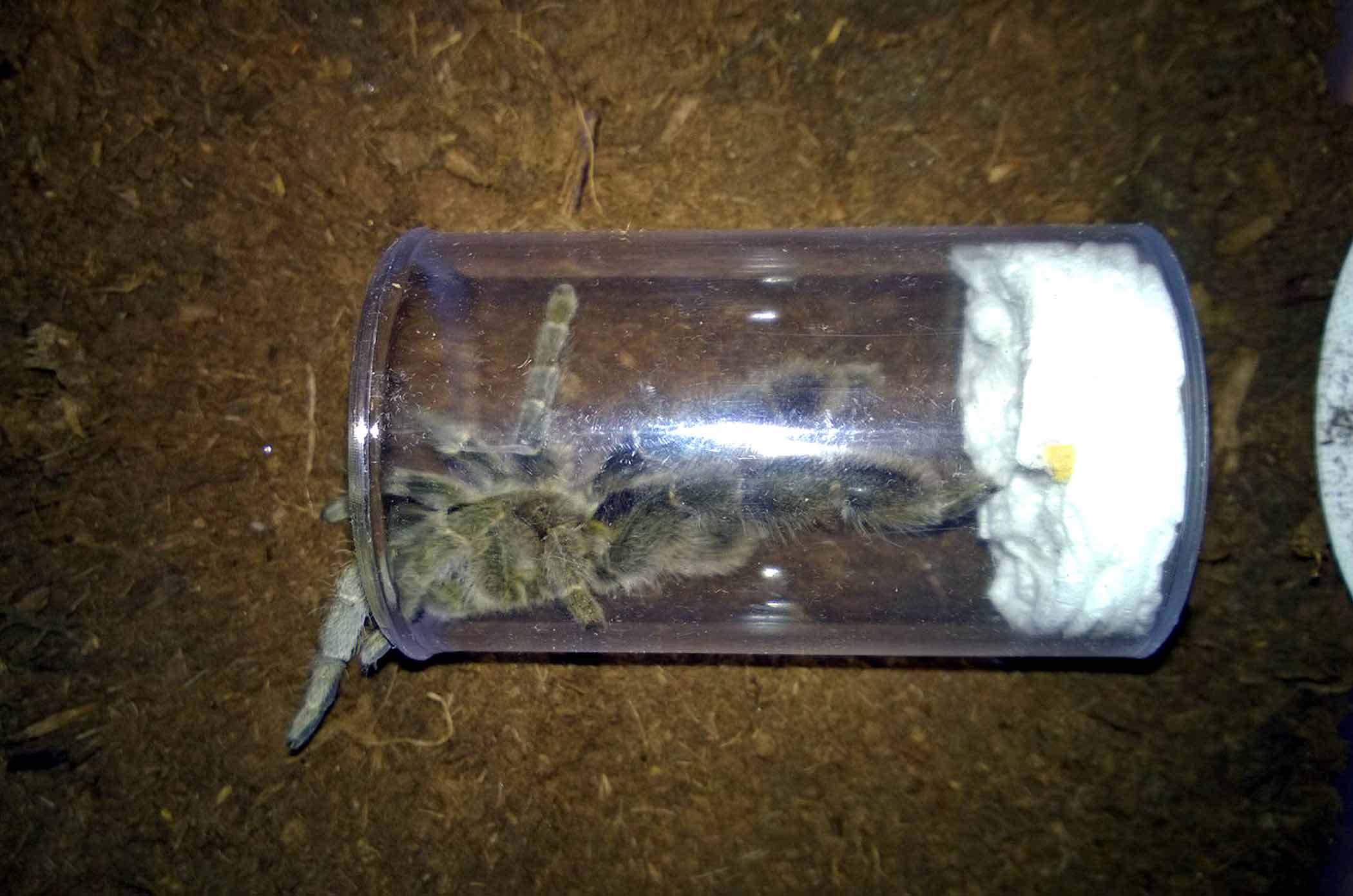
My 3.5" P. antinous female. (before a recent molt)

My 3.5″ P. antinous female. (before a recent molt)

As for size, when I originally purchased this female, she was a hair over 3.5′. Although I haven’t been able to get an exact measurement yet, she is now definitely 5″ or more. The size change is astounding; the claims about huge size gains are not in the least exaggerated. She is gorgeously leggy and moves like lightning when disturbed.

My female P. antinous after her recent molt. She went from around 3.5" to about 5".

My female P. antinous after her recent molt. She went from around 3.5″ to about 5″.

She has already had her first post-molt meal, a large dubia roach, and I’m sure she’ll continue to be a great eater. Now that I’ve seen the growth for myself, I can’t wait to see what the next molt brings.


DKS Death – A. insubtilis

This is an update to an earlier blog. If you’d like to learn a little more about DKS (and read about the unfortunate T I’m about to reference), please check out my earlier blog HERE.

My first tarantula death.

Although I knew it was coming, it still stinks. I arrived home from work yesterday to discover that my A. insubtilis juvenile had succumbed to whatever had caused its DKS. It was a little over a week since it had first showed signs of the discombobulation and lack of coordination that characterize this malady.

My A. insubtilis tarantula after succumbing to DKS. It's been flipped on its back, but this is the standard tarantula "death curl".

My A. insubtilis tarantula after succumbing to DKS. It’s been flipped on its back, but this is the standard tarantula “death curl”.

Despite being kept in an ICU for the last few days of its life, it was not able to pull through. I will be heading over to Arachnoboards later this week to fill out a death report. As the true cause of the DKS symptoms are still a mystery and could be attributed to many factors, T keepers are encouraged to add details from their cases to a data base on the board.

With any luck, this will be be my first and last experience with DKS. It’s a very unpleasant experience to watch one or your pets die from it.


L. parahybana Feeding Video and Husbandry Notes

After 17+ years of keeping a G. porteri, and with no idea that the tarantula hobby had exploded over the past two decades, I decided that I wanted to see what kinds of species were currently available. To say the number of animals available in the trade was overwhelming would be an understatement, and I soon found myself compiling lengthy lists of potential candidates. After several months of research, I decided on two slings; a Chromatopelma cyaneopubescens (GBB) and a Lasiodora parahybana (LP).

I purchased my LP sling in October of 2013 at a size of about 3/4″ or so. This species has a reputation for being a very fast grower with some keepers reporting their LPs reaching 4″ in a year. Mine has molted five times in the time I’ve kept it, and in that time, it has grown to about 1.75″.  I wouldn’t say this is the fastest-growing T I keep, but it molts like clockwork every two months, and puts on a little size each time.

Besides their awesome adult size (8″ is the norm with 10″ possible), it was their rather simple husbandry that attracted me to this species. I keep mine fairly dry and only moisten the substrate in the corner once a week, letting it dry out in between. I’ve provided my 3″ female with a water dish, which I overflow to provide a moist spot. Usually, it quickly ends up filled with dirt. The substrate is a 50/50 mix of coco fiber and sphagnum peat moss, and for the slings, I give them several inches of depth as they like to dig.

For the first five months I kept my LP, I rarely saw it. The little guy had dug an extensive burrow beneath the surface, and he would only pop out to snatch a prey item. There was a two-month period where I never saw it at all. When entering premolt, it would often close off  the entrance of its burrow for weeks at a time. Eventually, the hole would reopen, and I would catch a glimpse of my slightly-larger LP.

I keep my LPs at the same temps as my other Ts; high 70s during the day and low 70’s at night. They are great eaters, only refusing a meal if in premolt. Like my P. cancerides, they usually attack their prey with gusto, often rushing at it from across the enclosure.

As slings, LPs are quite skittish, and will quickly bolt or dash down into their hides with the slightest disturbance. My female is a bit more brave, often sitting right out in the open instead of using her hide.

I know keep three LPs; two slings and the gorgeous female my wife gave me for my birthday. I look forward to the day that these beasties mature into an 8″+ behemoths.

Below is a recent feeding video featuring my 1.75″ juvenile.

Box of Roaches … A Review of Jeremy Stichler!

Having amassed a collection of 47 tarantulas and counting that now includes many larger spiders, I was finding it more difficult to keep adequate food supplies handy. Although I’ve used mainly crickets for prey, I also keep a small quantity of Blaptica dubia and Blatta lateralis roaches. Having found that the dubias were easier to maintain and relatively odorless, I started keeping a lookout for a fairly priced starter colony.

While perusing the for sale page on Arachnoboards, I stumbled on an ad for 125 count starter colony of large Blaptica dubia for only $27 shipped. The vendor was Jeremy Stichler (Jerm357) who had several pages of sparkling reviews on the boards. Having priced out starter colonies before, I was expecting to pay much more for this many roaches (and that was not counting the 10% overcount he offered on top of it). Even better, he guaranteed all larger roaches unless specified that you wanted smaller ones.  I jumped at this tremendous bargain and immediately emailed Jeremy.

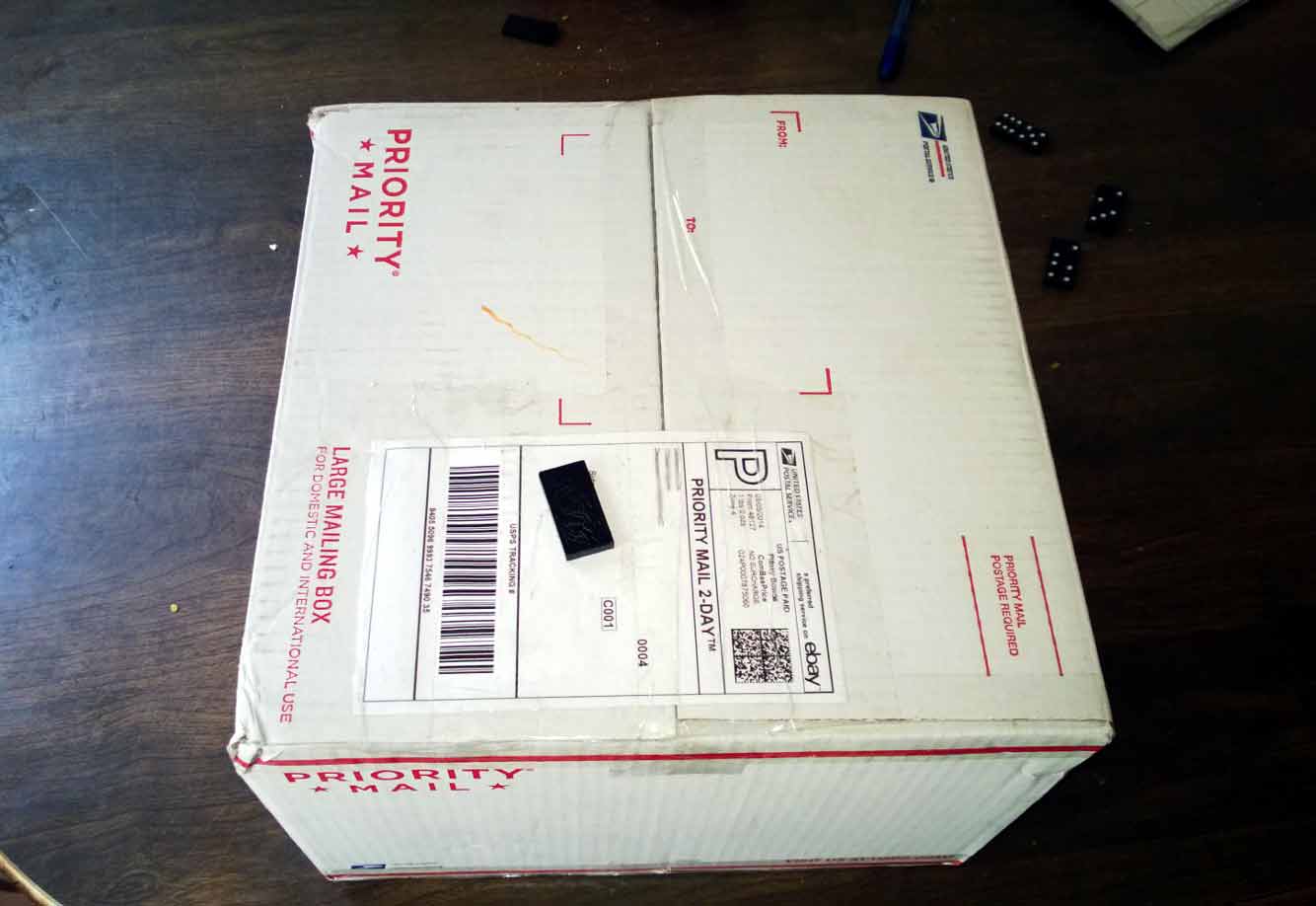
Communication was excellent, as Jeremy emailed me back immediately with payment information. Correspondence was friendly and very professional, which is always a huge plus in my book.  He also shipped quickly, and my package was mailed USPS Priority on that Monday and arrived on Wednesday.

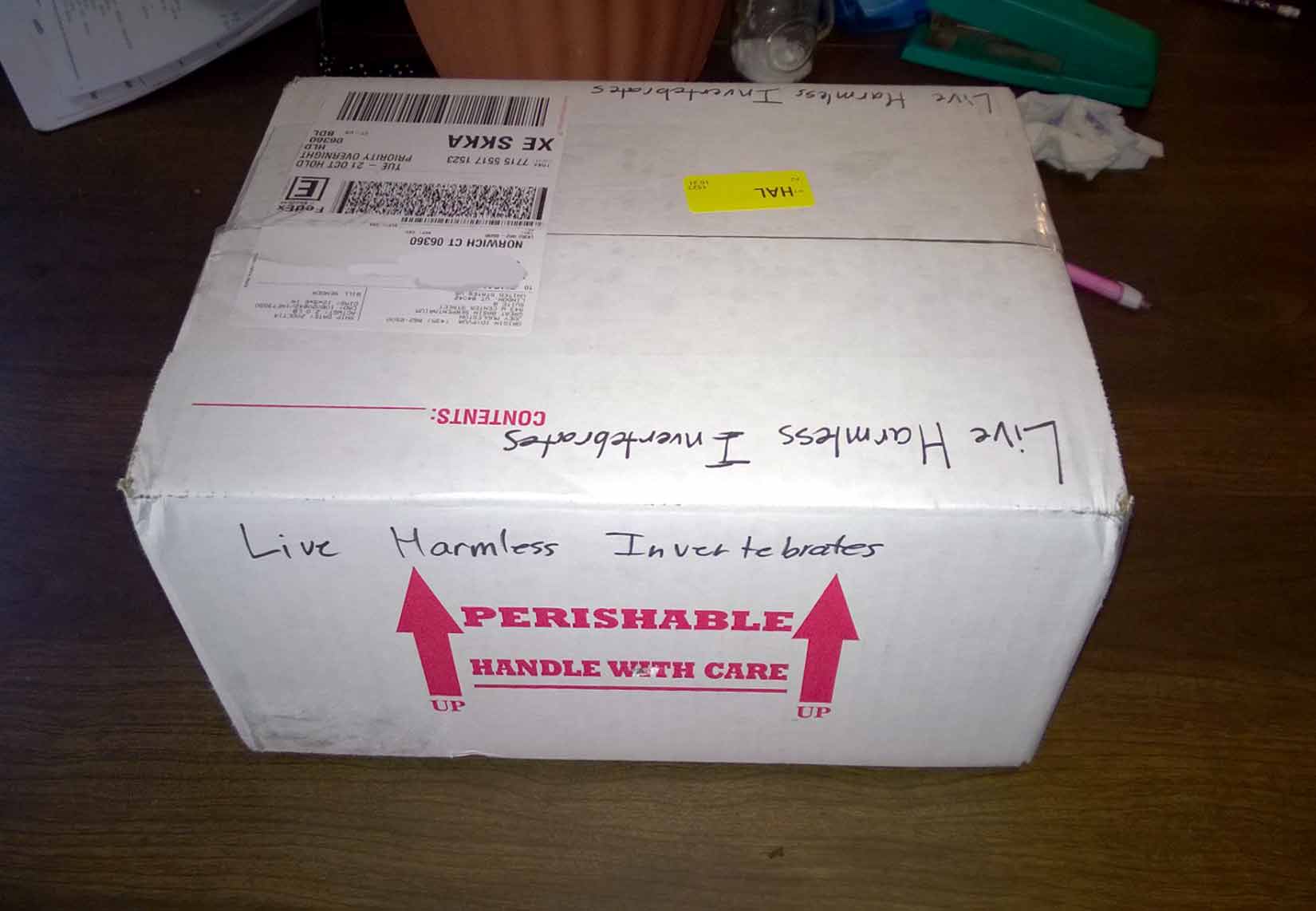
Box arrived in great shape.

Box arrived in great shape.

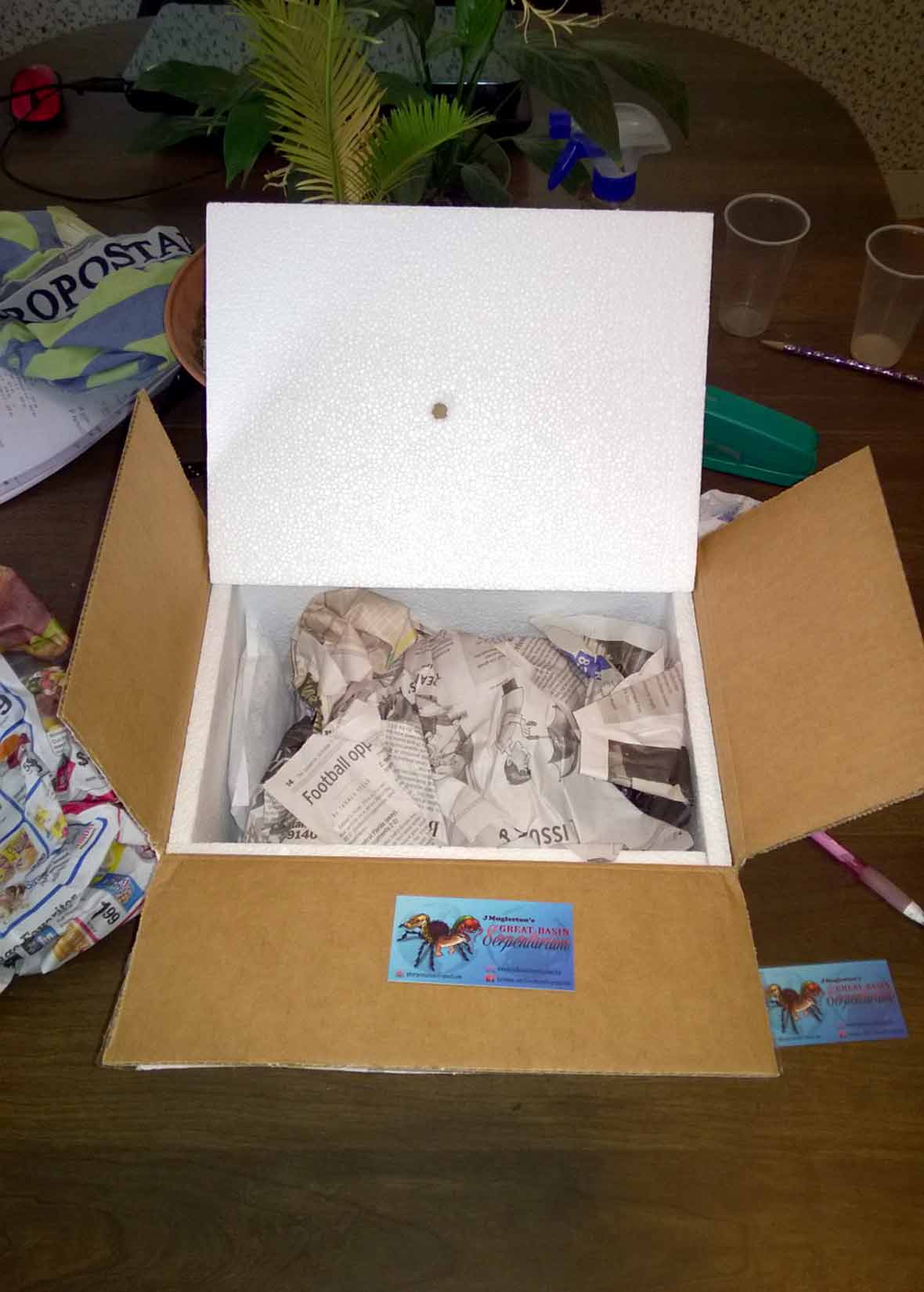
Packing was excellent, with the roaches double-boxed and insulated with newspaper. There wasn’t a single dead roach in the bunch, and all were quite lively when I opened the package. In fact, one of the larger males quickly shot out of the package and landed on my arm. Now, I know I have dozens of giant, hairy spiders, and most would find that frightening, but I don’t think I’d ever seen a roach that big. And, perhaps I panicked just a bit when I tried to quickly brush it off and the little beast barely budged. Wow, those suckers are strong…

After opening the first box, I discovered a second box safely nestled in a bed of newspaper. (Note: Notice my 3-year-old's creepy Mega Blok figure. Those little pagan-looking totems are all around my house. Creepy!)

After opening the first box, I discovered a second box safely nestled in a bed of newspaper. (Note: Notice my 3-year-old’s creepy Mega Blok figure. Those little pagan-looking totems are all around my house. Should I be worried?)

The second box is now open. A piece of cardboard serves as a spacer. You can now see some of the roaches...yum!

The second box is now open. A piece of cardboard serves as a spacer. You can now see some of the roaches…yum!

With the cardboard moved aside, you can now see more of the little buggers.

With the cardboard moved aside, you can now see more of the little buggers.

With the cardboard (and some of the roaches) out of the way, you can now see a bunch of very large and healthy roaches.

With the cardboard (and some of the roaches) out of the way, you can now see a bunch of very large and healthy roaches.

All of the roaches have been rehoused in their new home (I will post later about their new quarters), and all are eating well. I honestly couldn’t have been more happy with my purchase from Mr. Stichler. I wouldn’t hesitate to buy from him again.

This was an A+ experience, and I would highly recommend Jeremy Stichler to any hobbyist looking for a dubia feeder roach starter colony.


Pamphobeteus antinous

As my T collection grows and I gain experience with different species, I’m finding that I’m developing an affinity for the larger South American Ts. Don’t get me wrong, there is definitely a place in my collection for some of the slow-growing genera, like aphonopelma, grammostola, and brachypelma. Many of the species in these genera are simply gorgeous, and their slow growth rate means that I’ll have these guys for many years. However, for the impatient keeper in me, the faster-growing, aggressive eaters are just a thrill to watch. Recently, I decided to investigate some new  species for potential purchase, and I wanted something big and feisty.

While perusing the Net-Bug site, I came across a Pamphobeteus antinus, or “Steely Blue Leg”, female for sale. I had researched several species in the Pamphobeteus genus many months back, and at that time, I wasn’t sure I was ready for a T that required a bit more humidity. Having gained some experience since then and become more skilled at maintaining humidity in the enclosures, I decided that I was ready for this species.

My 3.5" P. antinous female.

My 3.5″ P. antinous female.

For my new acquisition’s home, I set up a large Kritter Keeper with about 5″ of a moist 50/50 peat moss and coco fiber mix. As the heavily-vented tops of KKs allow for too much ventilation for species requiring higher humidity, I used contact paper to block off much of the top and sides while still allowing for cross ventilation. Using a 5″ cork bark round, I sunk part of into the ground as a starter burrow and covered it with soil and sphagnum moss. As I want to maintain a higher level of humidity, I also provided her with a large water dish. Once a week, I sprinkle water on her substrate and on the sphagnum moss (think a good, quick rain shower) to keep the substrate from drying out too much. For temperatures, she is kept in the low 70s during the night, and high 70s/80 during the day.

A large Kritter Keeper modified to accommodate a species with higher humidity requirements.

A large Kritter Keeper modified to accommodate a species with higher humidity requirements.


It didn’t take long for the P. antinous to create an impressive burrow. Gnawing through the bottom of the cork bark, she dug straight to the bottom, constructing a small compartment in the lower corner. Here she sits until she detects prey items above. Alerted to a meal, she bolts from her hide, her lithe legs tapping against the plastic as she scrambles for the surface. Out of all of my Ts, this is the first one I’ve actually HEARD coming for a cricket. The speed and ferocity she displays when attacking her food easily rivals that of my P. cancerides. Right now, she gets four large crickets, or two 1+” dubia roaches, a week (this species is known for being a good eater).

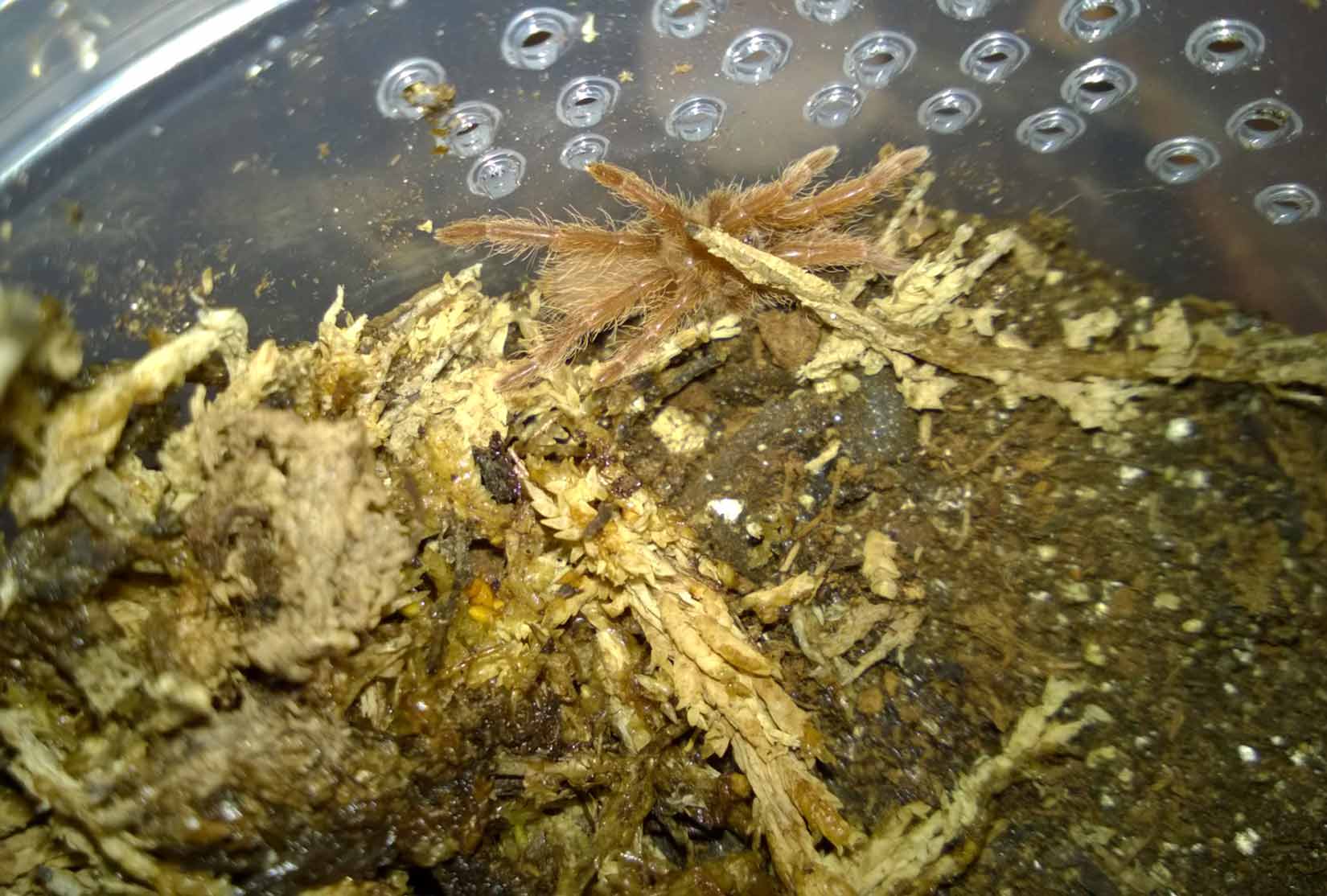
My P. antinous inside its den (back view).

My P. antinous inside its den (back view).

With my female still sporting her immature reddish-brown colors, I will look very forward to seeing if she gets any of her “steely blue” coloration on next molt. Also, as this is also considered to be a species with a fast growth rate, I will be anticipating quite a size jump. Although I’ve only owned her for a couple months, my P. antinous is proving to be one of my most interesting tarantulas.