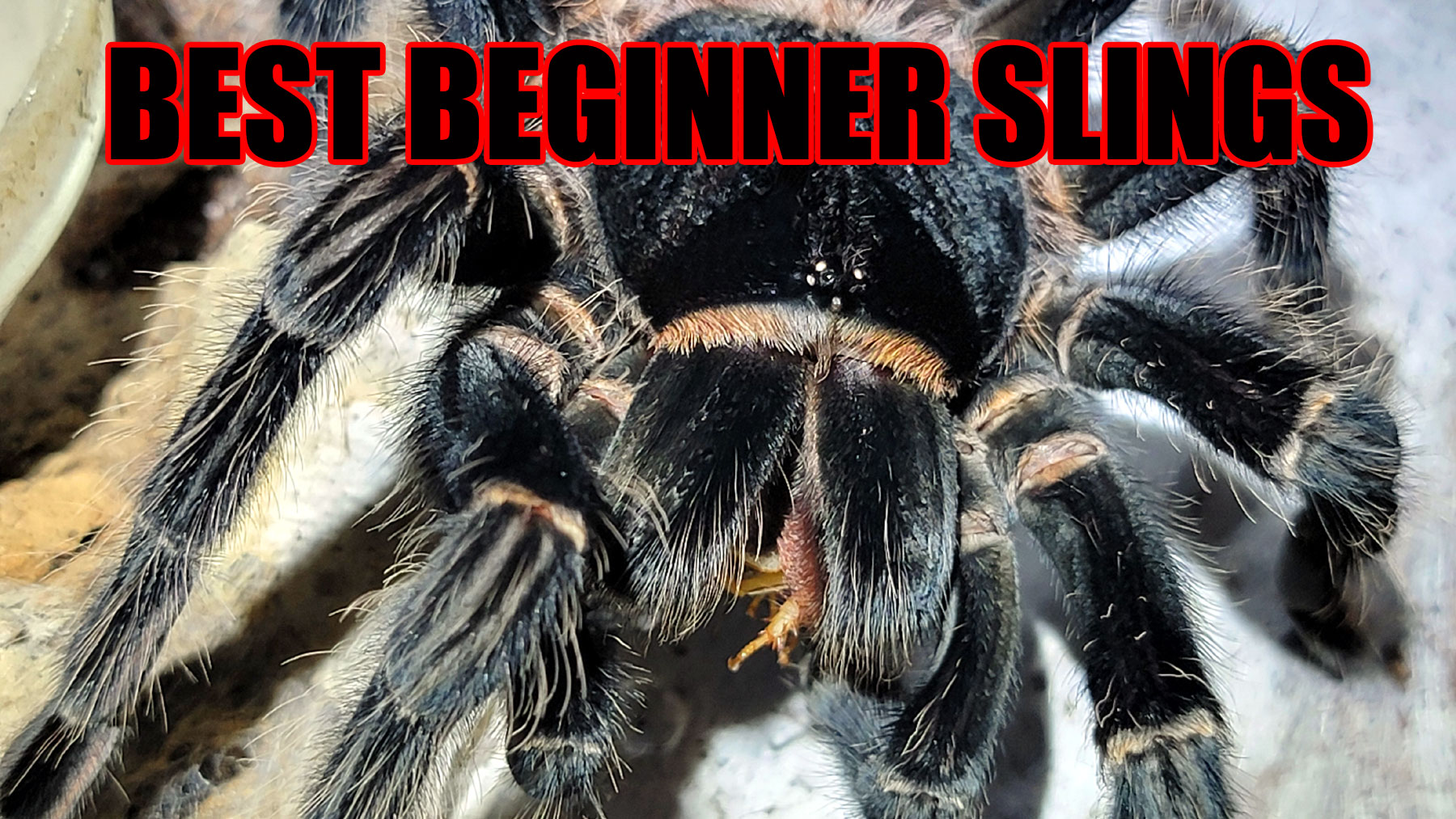
Many folks who are just getting interested in the tarantula hobby start by consulting the numerous “beginner tarantula” lists to select their first spiders. And those who do will often discover that the genera most recommended on these lists are the GAB species (Grammastola, Aphonopelma, Brachypelma). These species are recognized as being very hardy, long-lived spiders that are super easy to care for and that generally grow up to be docile adults. And, as these are New World species, one doesn’t have to worry about the potent venom.
However, after years of speaking with new keepers, I realized that most folks want to start with a larger specimen, like an adult. Although most of these species were readily available and inexpensively available in the pet trade as wild-caught adults several years ago, new restrictions have rightfully choked off the supply. This means that well-established juvenile or adult GAB species are very difficult to find and usually incredibly expensive when they are available.
When hobbyists realize this, they often turn their attention to captive-bred slings. However, this poses another problem.
As great as the GAB species are as first tarantulas, most are very slow growing, taking years to grow out of the sling stage. When you factor in that they start as super small (often ⅓” or .8 cm) and can be fairly expensive, these species become less attractive options for one looking to keep their first sling. Many folks purchase slings of these species, not realizing that it could be years before they have anything that resembles the gorgeous photos of adults they have fawned over.
And, let’s be honest: many keepers are freaked out by the idea of growing up a tarantula from a tiny spiderling.
New hobbyists are often told that, by starting with a sling of a certain species, they can “grow” in the hobby as the sling grows. This means that as the sling marches on through adulthood, the hobbyist can hone their skills at a measured pace before they are dealing with an adult spider.
This sounds great on paper, but for someone beginning with a tiny GAB sling, it doesn’t really work. These species take SO long to grow that many folks eventually find themselves keeping Old World spiders long before their sling reaches adulthood. Although they make great pets as adults, they aren’t always the best species for a keeper to raise as his/her first sling.
So, with hundreds of species, which ones are good first spiderlings for the first-time sling keeper? Well, read on for a list of tarantula species that would make excellent first attempts by keepers used to keeping babies. Not only have I raised multiples of each of the following species, but I’ve also heard from many keepers over the last several years that mirror my opinion of them as good first slings. If a keeper does their research (I’m including links to care videos for each of these species), they should have no trouble growing their first tiny spider up to a giant, hairy tarantula.
To create this list, I considered the following factors:
Availability and cost – It drives me nuts sometimes when folks are asking for recommendations for a starter sling, and someone chimes in with a spider that is new to the hobby, not readily available, and super expensive. The spiders on this list are quite prevalent in the hobby (at least in the US) and are usually under $50 as slings.
Hardiness – The spiders on this list are usually pretty forgiving when it comes to care and are quite hardy, even as slings. This means, no moisture dependency, good appetite and feeding response,
Growth Rate – The species on this list are all known to have fast growth rates overall, meaning that your sling will molt more often and often add a good amount of size with each molt. With these species, you will actually be able to “grow with the spider,” gaining more valuable experience with each molt.
Size of Sling – Most of the species on this list start as fairly large slings, which means it will be easier to spot them and to procure live prey for them
IMPORTANT NOTE: Although I’ve created a “Top 10” list with these species, feel free to begin with whichever species you feel comfortable with. I encourage you to read through the Pros and Cons and select the spider that works best for you. Now…onto the list!
Here are some of the species that I recommend, with Pros and Cons, to those looking to raise as their first slings.
Continue reading Tom's Big Spiders