Custom Dubia Roach Enclosure and Care

Over the past six months, my tarantula collection had grown a great deal in both the quantity of Ts kept and the size of individual specimens. I now had several adult/sub-adult Ts that required larger prey items, and I was looking for an alternative to the crickets. I decided that it was now time for me to start raising my own food source. So, a couple months ago, I purchased my first dubia roach starter colony of 125+ roaches. After doing some online research on dubia husbandry and breeding in which I discovered dozens of enclosure designs and roach-chow recipes, I was ready to set up my own colony.

What follows is what I have come up with to house and feed my roaches. This is, by no means, the only way to do it, nor can I take credit for coming up with these designs or methods. This is, however, what is currently working for me.

Start with a 7 gallon Sterilite Stacker Tote

I picked up my 7 gallon Sterilite at my local Walmart. You can definitely use a larger size of container, and many do, but I needed something that would fit comfortably on a shelf that I already used. Although these containers are offered in clear plastic, you want something that blocks most of the light out (roaches, as you may know, are NOT fond of the light).

UPDATE 11/2016: My colony grew rather quickly, so I now use a 58-quart Sterilite container.

I found this to be a great size for my roach colony enclosure.

I found this to be a great size for my roach colony enclosure.

Add some ventilation.

I always have some of these convenient plastic vents on hand from Round Vents , so I used them for my enclosure. These 3″ vents only run $1.32 each, and I find cutting two holes to install the vents MUCH easier and faster than drilling dozens of air holes. However, either way would work.
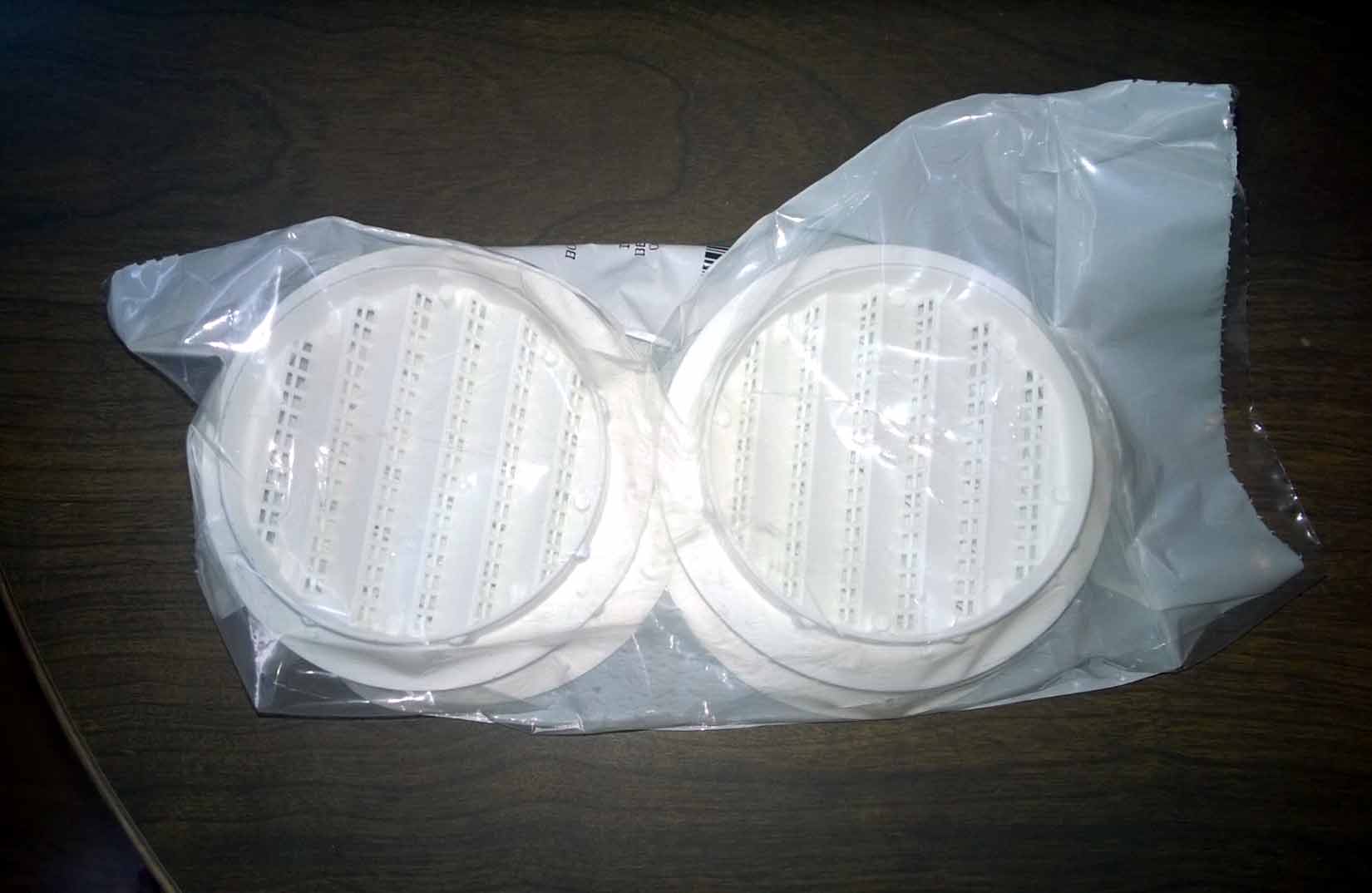
3" white plastic vents from Round Vents.

3″ white plastic vents from Round Vents.

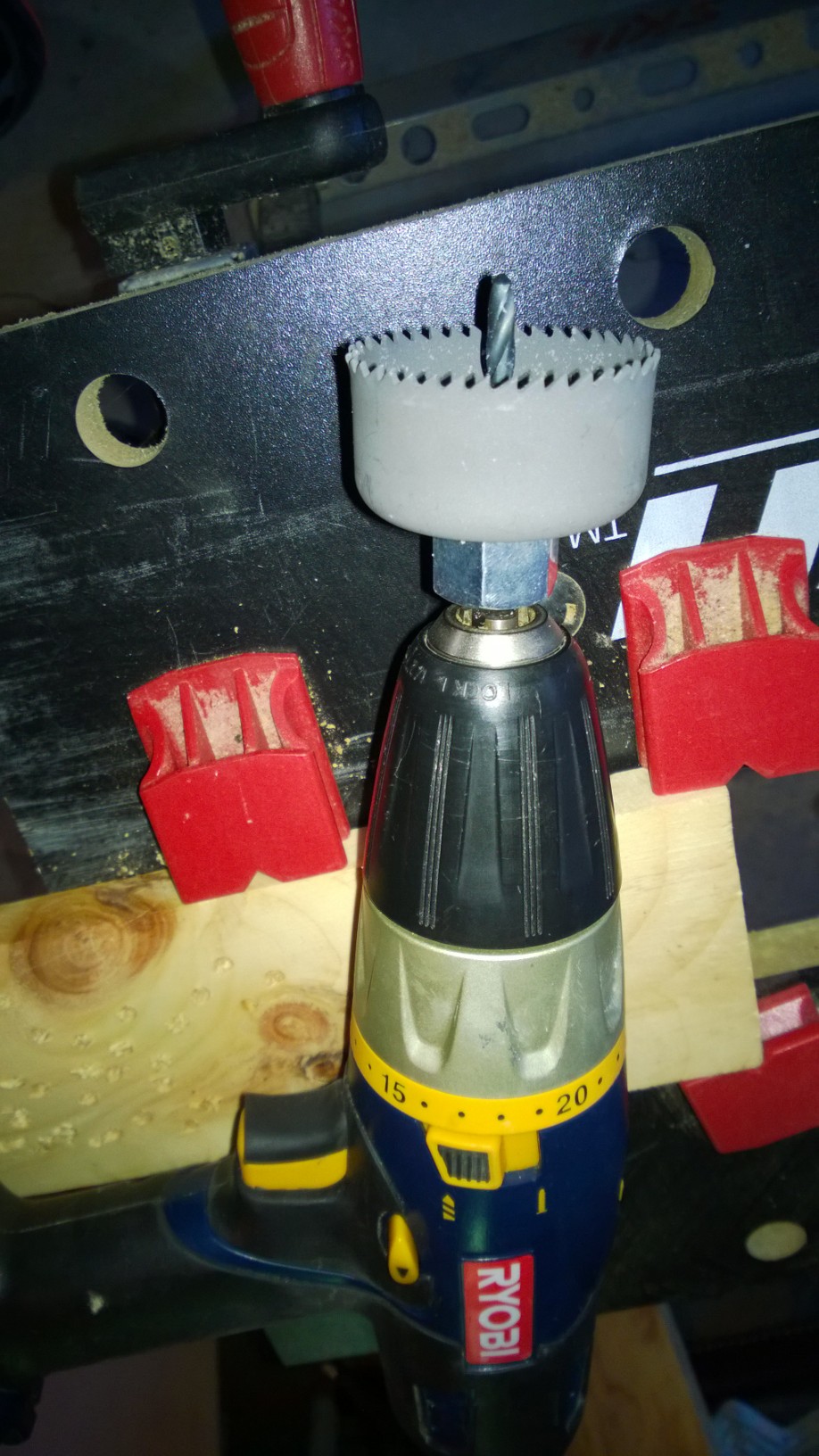
To install them, I just used a 3″ hole saw and my cordless drill to make a hole on either side of the container. I used hot glue around the edges then just popped them in. (Again, you can drill a series of holes, and it will serve the same purpose and cost a bit less).

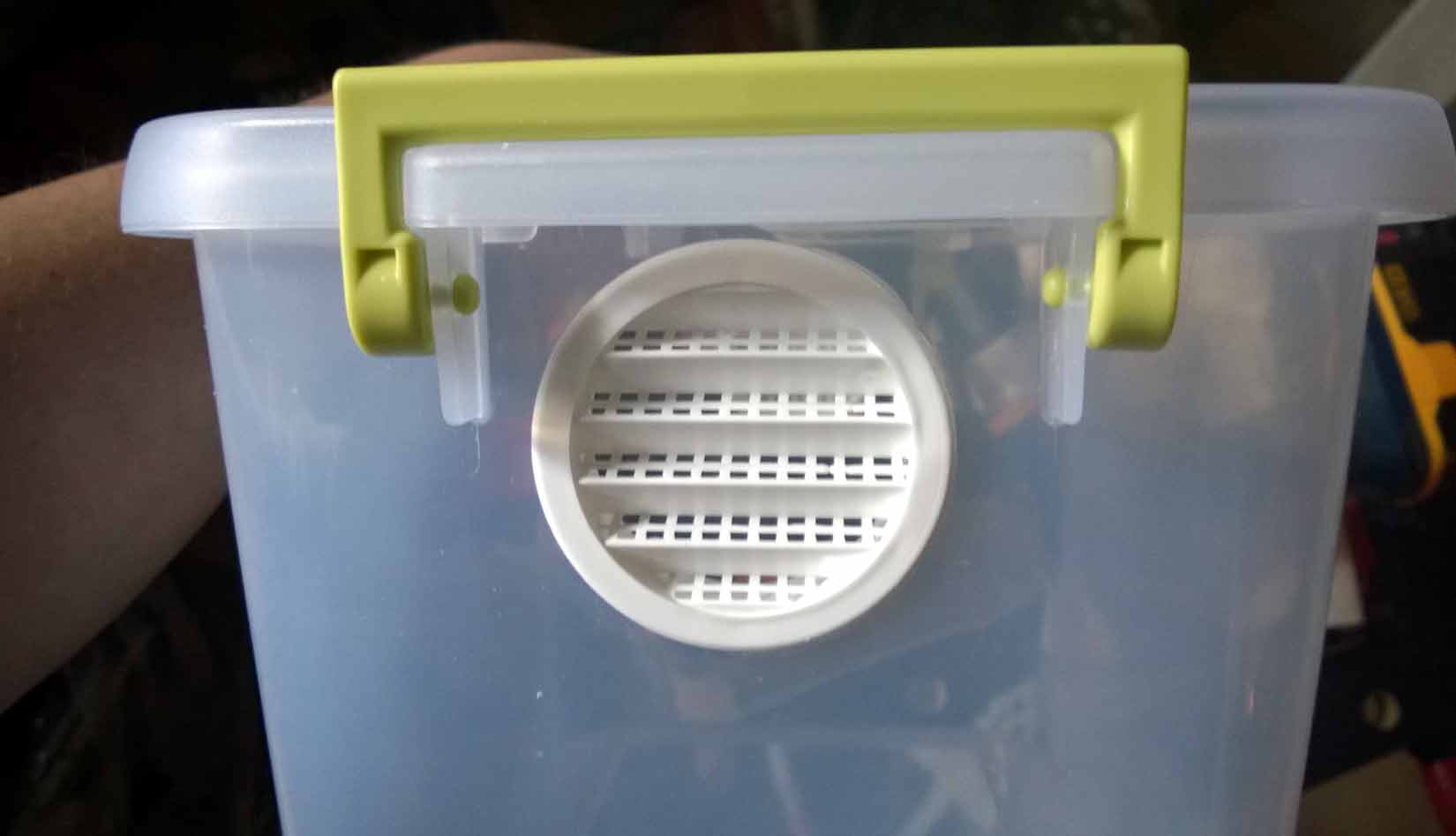
The vents have been installed on opposite end of the Sterilite enclosure. Vents should be closer to the top.

The vents have been installed on opposite end of the Sterilite enclosure. Vents should be close to the top.

Start saving those egg cartons!

You’ll need something inside the enclosure for the roaches to climb on and hide in. Cardboard egg cartons or egg trays work perfectly. If you have the forethought (and you eat a lot of eggs) save some of the ones you get when you buy eggs from your local grocer. You can also find them at tractor or farming supply stores. I bought mine at a local Agway. Many use the 6 x 6 egg trays, but for my smaller enclosure, the regular 2 x 6 egg cartons fit better. The larger trays can be purchased in bulk online.

Put these inside your enclosure for the roaches to climb on and hide in.

Put these inside your enclosure for the roaches to climb on and hide in.

 Roaches need food bowls, too.

It makes it MUCH easier to clean and feed your roaches if you supply food bowls. For mine, I used two Ziploc small square containers (5″x 5″), which I trimmed down with a pair of scissors to fit better and to add an entrance for the smaller roaches. One of these I fill with fresh organic fruit (nectarines, oranges, peaches, strawberries, grapes, apples, etc.). The other I fill with my homemade “roach chow”.

Two of these are supplied: one for fresh fruit and the other for the dry roach chow.

Two of these are supplied: one for fresh fruit and the other for the dry roach chow.

 Carefully fit everything into the enclosure.

On one end, stand up the egg cartons. I have two rows of five in mine, and the roaches seem to do fine. At the other end, place the two food bowls with the openings facing the egg cartons. When you get your roaches, carefully dump them on the egg cartons; they will quickly scramble down between them to hide.

The roaches will climb and hide in the egg cartons. The two food bowls contain fruit and roach chow.

The roaches will climb and hide in the egg cartons. The two food bowls contain fruit and roach chow.

A word about roach food.

It’s a fact: roaches will eat just about anything. As a result, there is no set, scientific diet for your feeder roaches. Do a quick search online, and you’ll find dozens, if not hundreds, of possible food choices. Moistened dog food, chicken mash, crushed cereal, organic tabbouleh…all are on the menu. While researching, I stumbled upon this cheap, simple recipe for “roach chow”, and so far it’s worked great. There are only two ingredients.

Flaked fish food.

Whole Oats

Goldfish flakes and whole oats combined and blended make great roach food.

Goldfish flakes and whole oats combined and blended make great roach food.

Just drop the oats and flakes in a blender (I do about 60/40 oats to flakes), blend to a powdery mash. Simple. I purchase large canisters of both, then blend up extra so that I always have it on hand. As both the flakes and oats can be purchased at Walmart for a few dollars, you can make enough food for months without hurting your wallet. I supplement the roach chow with fresh fruit to provide a more balanced diet. For water, I spray down one side of the enclosure just above the fruit dish every night, which has been fine and keeps things from getting too moist.

UPDATE 11/2016:  I have altered my roach chow recipe a bit. I now use oats, corn meal, and fish flakes in a 40/40/20 ratio or so. I drop these in a blender, grind them up good, then store them in an airtight container.

I also don’t offer fruit as often anymore, as it spoils very quickly (especially during the summer) and attracts fruit flies. I’ve switched to mostly carrots, potatoes, and some apples.
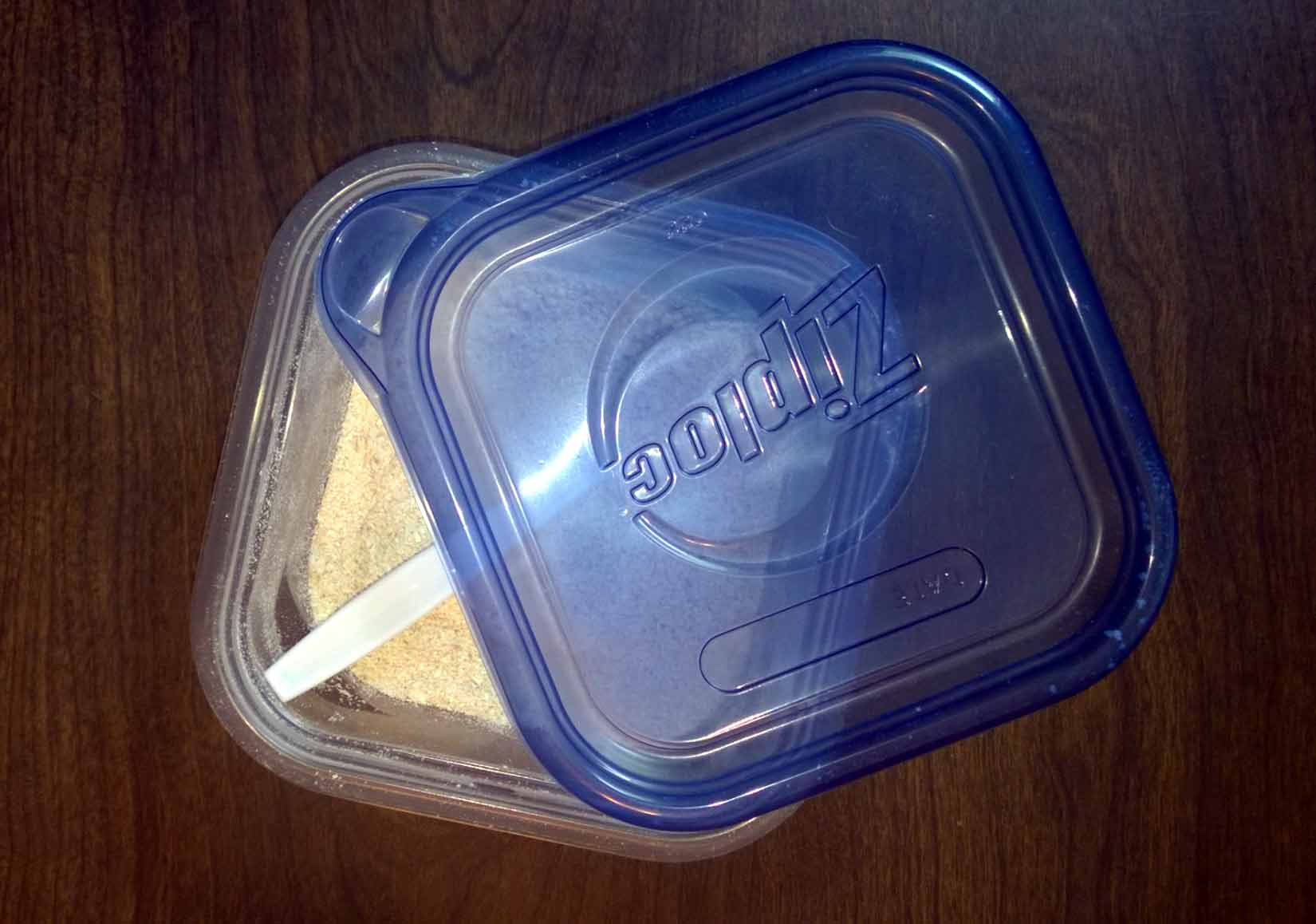
My container of "roach chow" (blended oats and fish flakes).

My container of “roach chow” (blended oats and fish flakes).

The hotter, the better.

If you want happy roaches and an ever-growing supply of feeders, you’d better be prepared to jack up those temperatures. Dubia thrive in warm environments. and you’ll need to keep them in the mid 80s to mid 90s if you’d like them to mate and reproduce. As these temps are too high for many T species, you will likely have to keep your feeders in a separate room. During the dog days of summer, I keep mine in my attic, where temps are almost always around 88-90 degrees.

UPDATE 11/2016: They do not need temps in the high 80s to low 90s to reproduce. Mine are kept much of the year in the 70s, and they still have young. That said, you get more offspring the warmer you keep them. If you can’t get your room temperatures up high enough to stimulate faster reproduction, you can use a heat mat on one side of the enclosure to raise temps inside. If you’re using a Sterilite bin, try mounting the heat mat on a wall, then position the cage next to it.

Keep in mind that high temperatures will cause fresh fruit to rot very quickly, so be sure to change the fruit bowl often to avoid fruit flies and decomposition.

In the winter months, they should really be kept 65-70 minimum. However, although this will be high enough to keep them alive, they will not be reproducing.

Cleaning is breeze.

My wife and I clean our colony every week, and we’ve found that it’s quite simple. Just lift out the egg cartons and place them in an empty cardboard box while you work. Remove the food dishes and any stragglers, then just dump the feces (which is tiny and dry) into the garbage. Use a damp cloth to clean up the bottom, dry it, then put everything back in. They are actually quite clean overall, and produce no real odor.

Simple and cheap!

So, there you have it. Again, this is not the only way to keep roaches, but this is how I’m currently keeping mine. It is also quite inexpensive to put together, costing around $20 for everything.  However, feel free to experiment or do whatever works for you. Dubia, generally speaking, are quite hardy and will adapt to other food sources or set ups.


Do-It-Yourself Sterilite Tarantula Enclosures

Part of the fun of keeping tarantulas, in my opinion, is the endless search for the perfect “found enclosure.” Sure, there are many gorgeous and professionally-designed cages to choose from, and they make lovely displays for any showcase Ts that you are particularly fond of. However, those with large collections can find housing all of their beloved spiders in these top-of-the-line terrariums much too expensive. That’s why many enthusiasts haunt their local WalMarts, Targets, craft stores, and Family Dollar’s looking for various canisters and containers that can be used “off label” as make-shift tarantula cages.

Sterilite has produced dozens of types of plastic storage containers over the years, and their products have long been used by budget-conscious T enthusiasts hoping to keep costs down as their collections expand. They offer containers in a ridiculous number of sizes, making them ideal for any larger T. And with prices often as low as $1.99 for smaller sizes, they won’t hurt the wallet as much.

I recently discovered their series of lockable and stackable storage containers, and was delighted to learn that they come in a number of convenient sizes. Instead of just drilling holes this time, which definitely works but is tedious and, in my opinion, not as attractive, I decided to use vents. The following is a little step-by-step tutorial for those interested.

NOTE: I know that some folks will argue that drilling holes is a bit cheaper (the vents I’m using her will run you an extra $1.90 or so per cage) or more attractive. Still, I like the look of these, and I find the vents less tedious to install. I also have plenty of enclosures with drilled or melted air holes, so I have NO problem with these.

MATERIALS

1. Buy the Sterilite Containers.

Here are several sizes of storage boxed (as well as a plastic canister that I will modify later). These are wonderful, as they stack quite nicely, saving space.

Here are several sizes of storage boxes (as well as a plastic canister that I will modify later). These are wonderful, as they stack quite nicely, saving space. I purchased these at WalMart, but they can also be found in Target (although their selection hasn’t been as good).

2. Get Some Aquarium-safe silicone.

Next, you will need aquarium silicone, which dries non-toxic. For those with hot glue guns, those will work as well.

Next, you will need aquarium silicone, which dries non-toxic. For those with hot glue guns, those will work as well. I allow three days for a full cure.

3. Get 2″ round plastic vents.

I purchase these at  roundvents.com. I like the plastic ones, as I worry that a large T could chew through the wire ones.

Vents of this type can be found through several online vendors. I purchased these at roundvents.com. I like the plastic ones, as I worry that a large T could chew through the wire ones.

4. Grab a 2″ Black & Decker (cheap!) hole saw.

To drill the holes, you will need a 2" hole saw. If you don't have one, Black & Decker makes a cheap set that includes the 2" saw for under $10.

To drill the holes, you will need a 2″ hole saw. If you don’t have one, Black & Decker makes a cheap set that includes the 2″ saw for under $10. I found this one at my local WalMart.

5. Clamp the container down before drilling.

Again, you can probably have someone hold while you drill, but I have the clamps handy, so I use them. Notice the piece of wood underneath, which gives you something to drill in. You can also use the circle created by earlier drillings to line up the hole.

Again, you can probably have someone hold the container while you drill, but I have the clamps handy, so I use them. Notice the piece of wood underneath, which gives you something to drill in. You can also use the circle created by earlier drillings to line up the hole.

6. Carefully drill your holes.

Mark the entry point for the guide bit with a Sharpie to keep the hole centered. When drilling, don't push too hard and allow the drill to do it's work. Be careful that the bit doesn't heat up too much, as if it does, it can melt the plastic. Use a piece of wood underneath to drill into  and for support.

Mark the entry point for the guide bit with a Sharpie to keep the hole centered. When drilling, don’t push too hard and allow the drill to do its work. Be careful that the bit doesn’t heat up too much, as if it does, it can melt the plastic. Use a piece of wood underneath to drill into and for support.

7. After drilling the holes, clean edges with a utility knife.

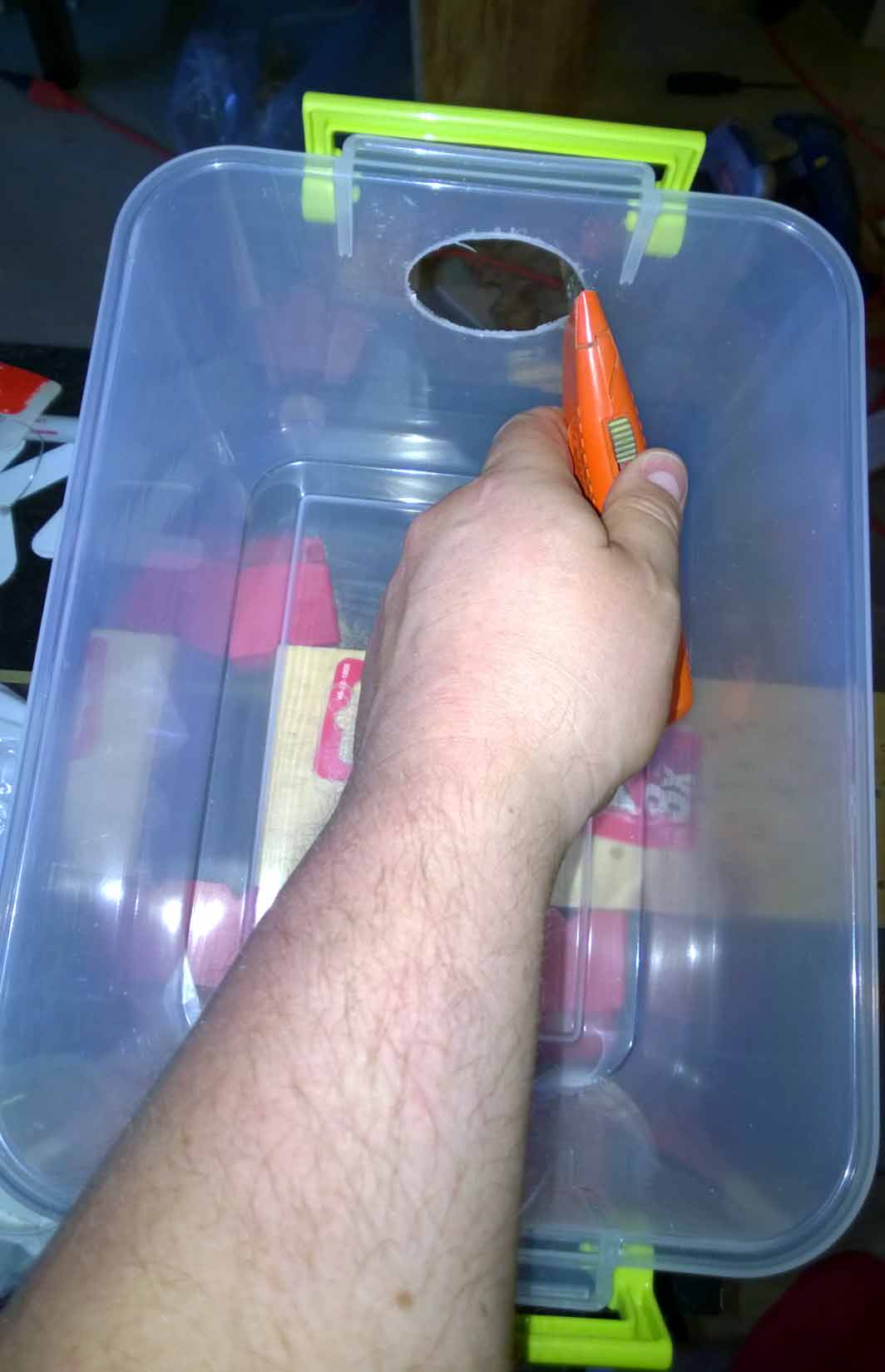
Unfortunately, the drilling process can leave behind some gnarly and an sharp piece of plastic around the edges. Use a utility knife to carefully trim away these scraps.

Unfortunately, the drilling process can leave behind some gnarly and an sharp pieces of plastic around the edges. Use a utility knife to carefully trim away these scraps and make for a clean fit.

8. Put a thin bead of silicone (or hot glue) around the rim of the vent.

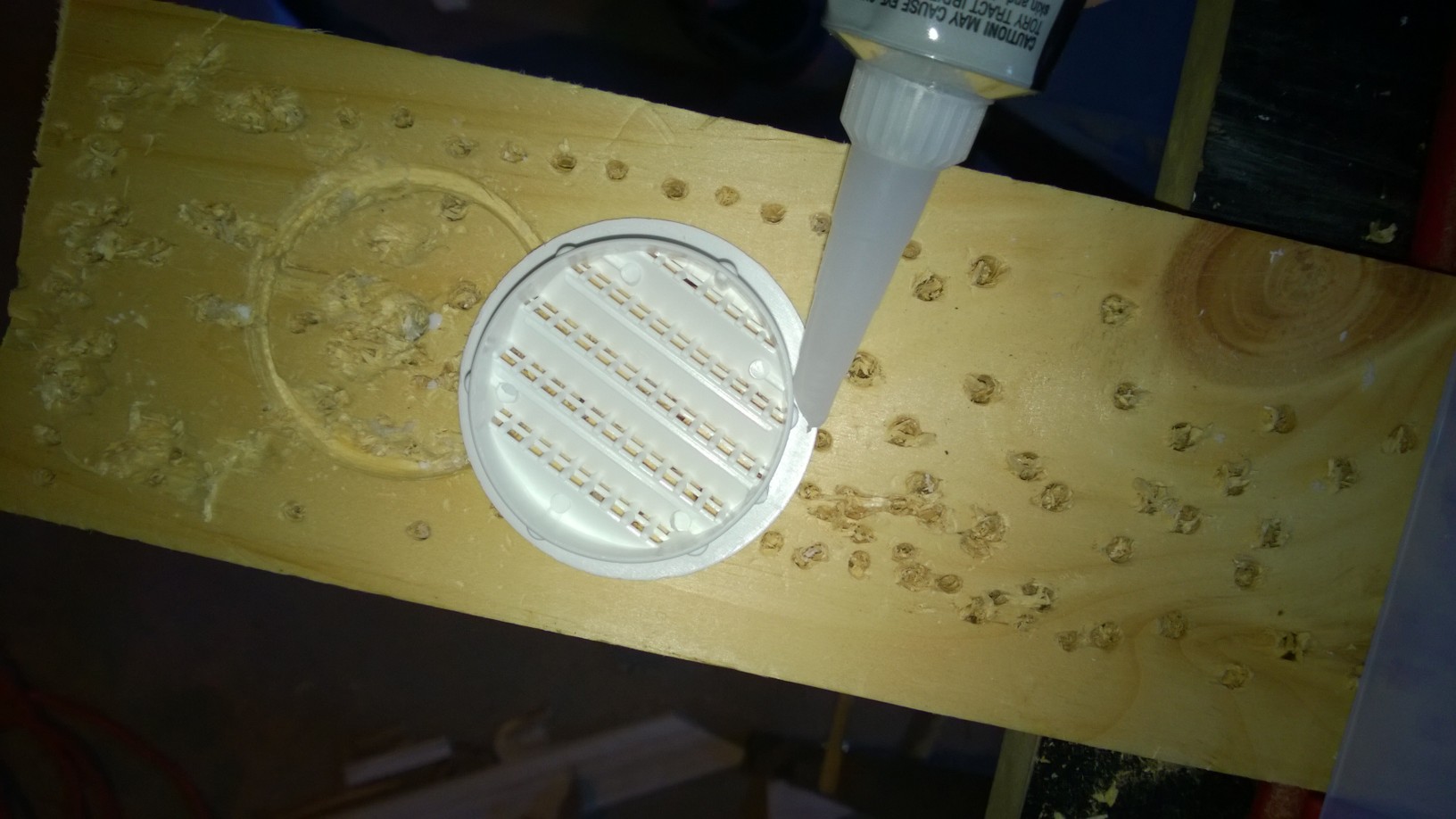
Run a nice, thin bead of aquarium safe silicone around the lip of the the vent. Although the vents sport tabs that help "lock" them in place, the silicone seals it up and makes it permanent.

Run a nice, thin bead of aquarium safe silicone around the lip of the the vent. Although the vents sport tabs that help “lock” them in place, the silicone seals it up and makes it permanent. Hot glue can also be used, meaning the enclosure could be used sooner as you won’t have to wait for the silicone to cure.

8. Line up the vent and carefully pop it in.

Now, line up the vent and carefully pop it in. I like to do one side facing up and one side facing down. Use a moist paper towel to clean up any excess silicone.

Now, line up the vent and carefully pop it in. I like to do one side facing up and one side facing down. Use a moist paper towel to clean up any excess silicone. I put a vent in two opposite sides of the the container to allow for cross ventilation.

9. Newly vented cages stacked in a cluttered garage.

Several of the newly-vented enclosures. The large one on the bottom will be fitted with 4" vents.

Several of the newly-vented enclosures. The large one on the bottom will be fitted with 4″ vents.

 10. Modified cages in use.

A couple of my earlier enclosures, already occupied. The top enclosure does NOT have vents. For that one, I used a nail heated on a burner to melt the holes into it.

A couple of my earlier enclosures, already occupied. The top enclosure does NOT have vents. For that one, I used a nail heated on a burner to melt the holes into it.

A small note about ventilation: I find that the 2″ vents work very well with this size enclosure. However, after noticing some condensation collecting on the lid of one of my cages after moistening the substrate, I added a row of holes in the lid above the sphagnum moss to allow for a bit more airflow. The moss stays moist, but I no longer get the condensation. Still, I’ve only done this to one enclosure that housed a T that required more moisture.


Tarantula Enclosures – Premium and DIY

Perhaps one of the most fun facets of T keeping is the never ending quest for the perfect tarantula enclosure. Whether you’re a money-is-no-object keeper interested in assembling the most aesthetically pleasing enclosures, or a more frugal enthusiast who wants to save precious funds for future spider purchases, there are literally thousands of options available. Once you are thoroughly hooked on the hobby, you will find yourself wandering the container section of your local Dollar Tree, Walmart, or craft store measuring up plastic canisters for size, price, and alter-ability.  And, for your “showcase” spiders, there are many attractive options that won’t break the bank.

As I’ve done a lot of experimenting with enclosures, both professionally constructed and “found” varieties, here I will present some of the ones I’ve continued to use along with some of the pros and cons. These enclosures are listed in no certain order.

Adult Tarantula Cage from Jamie’s Tarantulas

Retail: $64 (With substrate, moss, cork bark, and water dish, $84)

For keepers looking for a more attractive home in which to house their Ts, but who don’t want to pay upwards of $100 for a cage, Jamie’s acrylic tarantula enclosures are fantastic. These 8″x8″x14″ cages are perfect for most large tarantulas sized 4″ to 7″. She offers the option of purchasing just the cage, or you can get the Complete Cage package with all the fixings for $20 more. The crystal clear acrylic offers complete viewing from all angles, and the hinged door can be locked for security. Also, I have found these enclosures to be much more durable and well-constructed than other acrylic enclosures I have used.

CAGE Acrylic

Acrylic tarantula cage from Jamie’s Tarantula – Terrestrial set up.

CAGE Acrylic arb

Acrylic tarantula enclosure from Jamie’s Tarantula – Arboreal Set-up

Even cooler, the cages are specially designed so that they can be used as both terrestrial OR arboreal cages. I have three of these beauties; two house terrestrial Ts, and the other is set up for my arboreal A. metallica. The air vents on both sides allow for good cross-ventilation while keeping in precious humidity. Both sizes are offered in either Terrestrial and Arboreal versions.

Spiderling and  Juvenile Enclosures from Jamie’s Tarantulas

Retail $7.95-$13.95

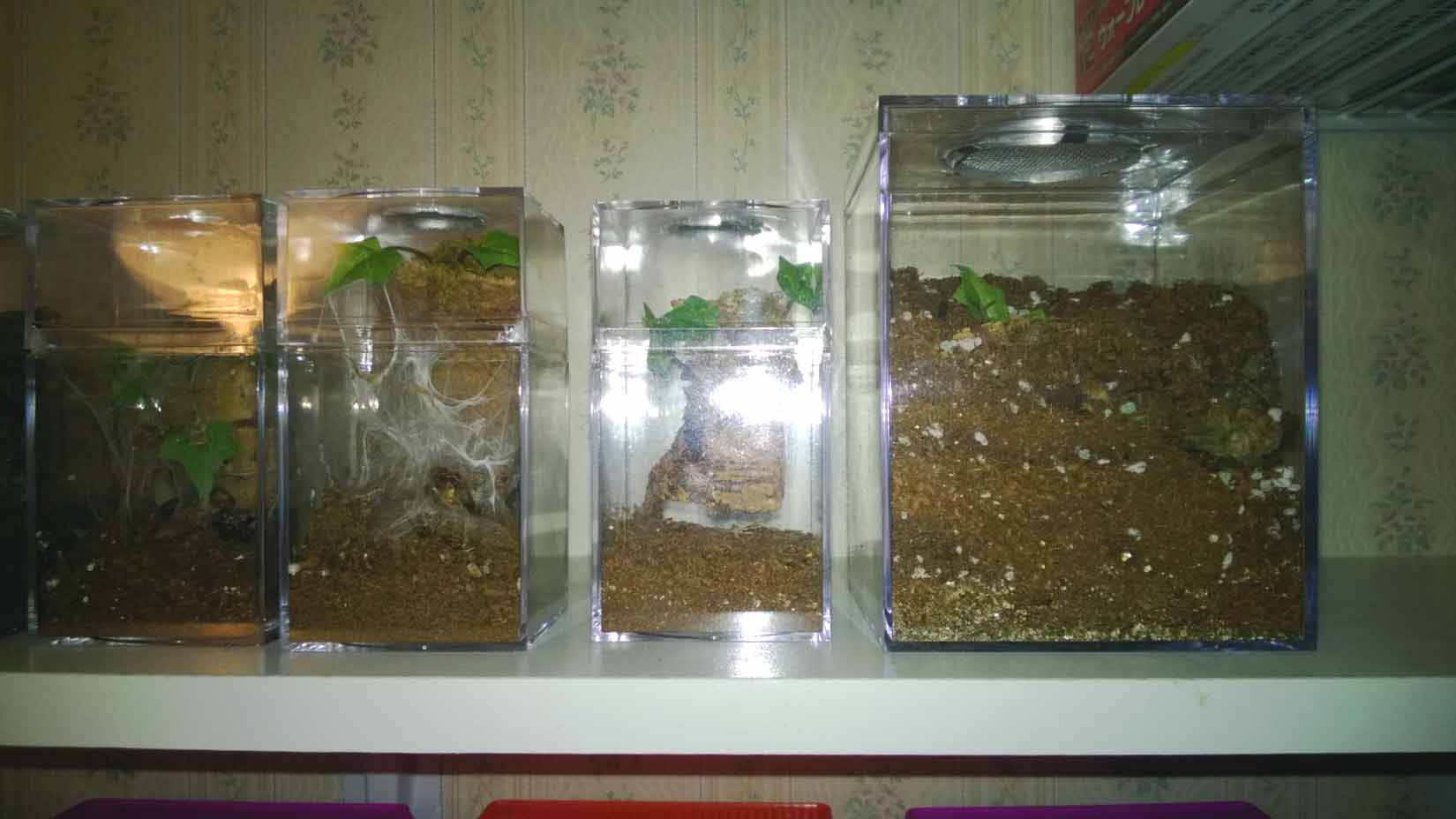
For slings and juveniles, Jamie also offers Spiderling and Juvenile Enclosure kits. These wonderful and affordable cages come with all of the fixings (substrate, moss, silk plant, cork, and water dish for the juveniles), and they are often offered as a package deal with a sling or juvie. I’m particularly enamored with the spiderling kits, as the offer great visibility and seem to limit the chance for escape when opening for feeding. When buying from Jamie’s, I also find it incredibly convenient that I can get my sling and the enclosure at one place.

Spiderling and Juvenile Enclosures from Jamie's Tarantulas. These are sold as kits with all of the fixings.

Spiderling and Juvenile Enclosures from Jamie’s Tarantulas. These are sold as kits with all of the fixings.

Exo Terra Nano Glass Terrarium

Various sizes /Retail: $34.99-$67.99

These all-purpose terrariums are gorgeous, and with prices starting at $34.00 (or even less expensive if you catch them on sale on the Petco website). The black framing looks very sharp, as does the foam faux-rock background. These tanks also offer two ways to access them, with both a front door and a removable screen top.

It should be mentioned, these are not designed exclusively for tarantulas, and some models suffer from some design issues that make then less than ideal. For example the unique venting system beneath the door prevents owners from packing in more than a couple inches of substrate in the bottom. With 5 or more inches of space between the top and the substrate, a plump climbing terrestrial T could fall and injure itself.

An Exo Terra Nano Tall (left) and regular 8 x 8 x 8.

An Exo Terra Nano Tall (left) and regular 8 x 8 x 8.

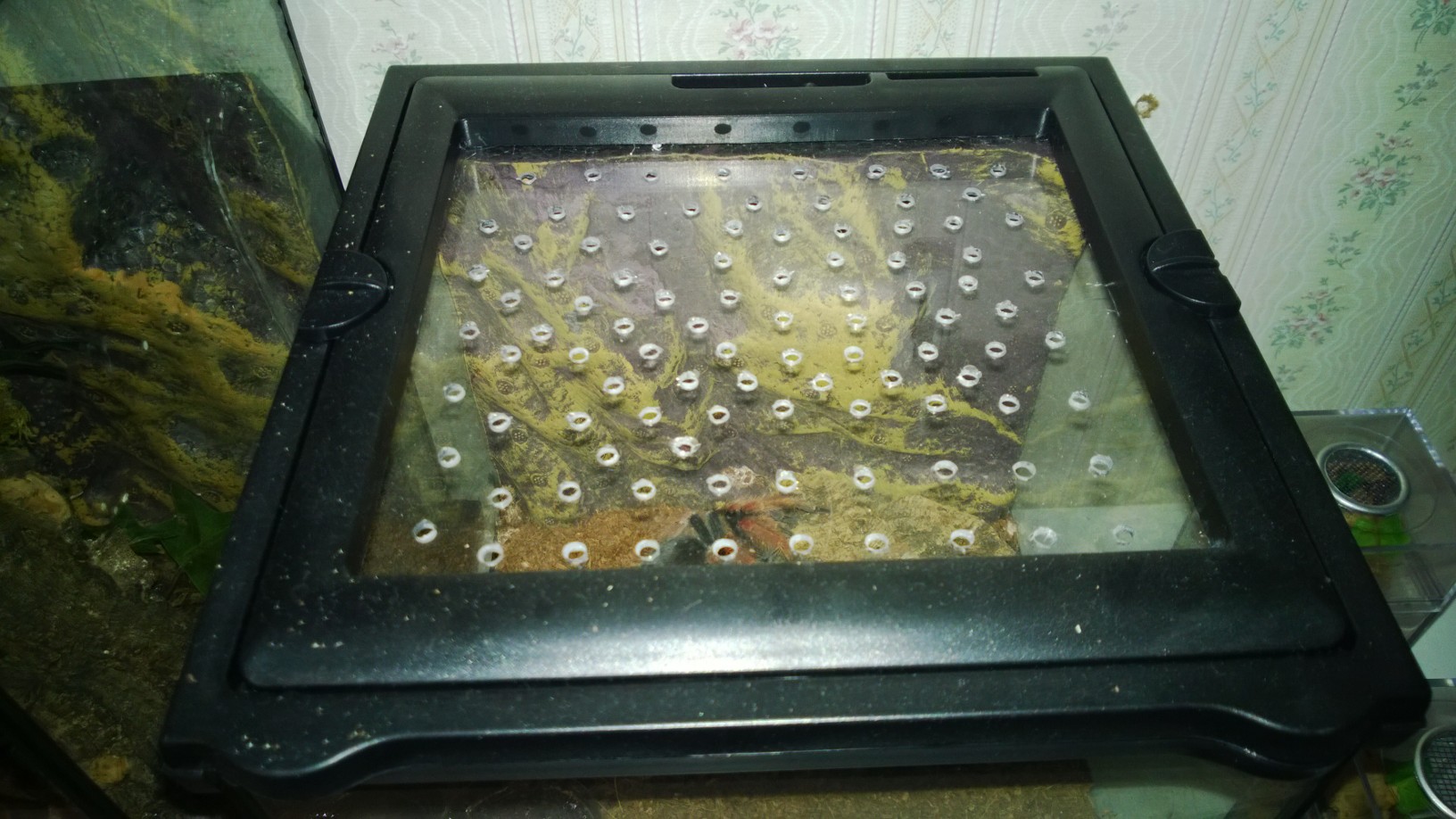
Also, the screen top can be a problem for terrestrial Ts whose legs can become stuck in it. To combat this issue, the cage top can be altered by ripping out the screen and replacing it with Plexiglass with several breathing holes drilled into it (see below).

CAGE Exo top

The top of a Exo Terra Nano, modified for a terrestrial T. The screen has been removed and replaced with ventilated Plexiglas.

The Exo Terra Tall, on the other hand, makes a fantastic home for an arboreal with no modifications. The 8″x8″x12″ tall enclosure is the perfect size for a medium arboreal species, and makes for a stunning display. For species that require a higher humidity, you can block off part of the screen top with saran wrap or plastic (as I have done with the one housing my P. vittata), to slow evaporation. And, for a T who may get 7″ or longer, the larger Exo Terra Mini Tall (12″x12″x18″) will do. These larger models feature two opening doors, which can make cleaning or feeding faster species a bit easier.

Kritter Keepers/Pet Keepers (both trademarked and generic)

Various sizes / Retail: $3.99-$19.99

These clear plastic containers with colored plastic lids are produced by several different companies, come in many different sizes, and are made to house small animals including hermit crabs, fish, reptiles, and insects. They also happen make quite good homes for tarantulas and have become a staple for keepers looking for attractive, low-cost enclosures.

Medium Sized Kritter Keeper/Pet Keeper. I use these to house my juveniles.

Medium Sized Kritter Keeper/Pet Keeper. I use these to house my juveniles.

These nifty little cages are great for burrowing Ts due to their depth, and the covers have wonderful little windows on the top that double as a feeding hatch. They can be found online through Amazon and Petco.com (Once again, Petco’s sales and free shipping can really make these a steal), and Walmart even carries the medium sized cages in their fish section.

As for cons, there are only a couple issues. First, larger holes where the handle connects to the lid, and another round hole meant for running tubing, can both be potential escape routes for small and determined Ts. It’s best to fill these three holes up with a little hot glue before using the enclosure. Also, because the entire lid is vented, water and moisture will evaporate quickly in the winter months. To combat this issue, use plastic wrap and tape to close of some of the vents.

Sterilite Plastic Storage Containers

Numerous sizes / $1-$15

The go to enclosure for T enthusiasts with huge collections. These plastic containers come in just about every imaginable size, and they are generally quite inexpensive, with many of the larger sizes going for less than $3. Sterilite even makes a set that locks securely and is designed to stack (see photo below).

To make the ventilation holes in cages meant to house slings, there are a couple alternatives. The easiest is to use a soldering iron (the one I use was about $10 on Amazon, and has been a dream). The tip of this iron comes to a conical point, meaning that you can use various levels of pressure to make any size hole you need. I can use just the tip to make tiny holes for small spider enclosures, or use more pressure to make up to .24″ holes for larger ones.

A more time-consuming way to create the holes is to heat a very small nail on an oven burner, pick it up with pliers and use it to melt holes through the plastic. I will actually use several nails on a burner so that I always have a hot one ready. You can usually put three to five holes in before having to trade nails. A word of caution: make sure to have adequate ventilation, as the plastic fumes can be dangerous.

For cages meant to house larger Ts, a power drill is the easiest and fastest way to perforate the plastic for ventilation. When positioning holes I try to create cross ventilation by putting some holes lower on one side and higher on the other.

A Sterilite plastic container modified to house tarantula slings.

A Sterilite plastic container modified to house tarantula slings.

 For a step-by-step tutorial on how to create a custom enclosure using Sterilite containers, click!

Mainstay Plastic Canisters

2-Quart and 1-Gallon Sizes / $1.99-$3.99

I love these plastic canisters. The 2-quart size is perfect for juvenile arboreals or terrestrial burrowing species. These inexpensive plastic jars can be found at any Walmart, and are easily ventilated using the hot nail method. As I wanted adequate ventilation, I used a 2″ hole saw and aquarium silicone to put a 2″ inch vent in the lid.

Plastic canister modified with lid vent and side ventilation holes.

Plastic canister modified with lid vent and side ventilation holes.

Ziploc or Tupperware Plastic Containers 

Various sizes / small 3 for $3.57 / medium 2 for $2.57

There are dozens of these types of containers on the market; I just happen to prefer the Ziploc Twist ‘n lock for the wonderful screw on caps. Like the other plastic containers, these can be vented using the hot nail method. The small containers are perfect for terrestrial slings, and the taller medium sized ones are great for arboreals in need of climbing room.

Ziploc container modified to house arboreal tarantula.

Ziploc container modified to house arboreal tarantula.

At the time of this blog, I have several other containers that I will be altering and trying out as enclosures, and I will surely add to this list as I discover new possibilities.

Also, I should point out that I did not include two of the most popular enclosures used by hobbyists. Clear plastic pill bottles and plastic deli cups are immensely popular due to their very low cost and practicality, and many keepers swear by them. It just so happens that I currently use neither, as I prefer Jamie’s spiderling enclosures. However, as my collection grows, and I get into breeding, this is likely to change.

For a comparison of some Tarantula sling enclosure alternatives, click away!